
The Imperative of AI Infrastructure Investment for Africa’s Digital Future
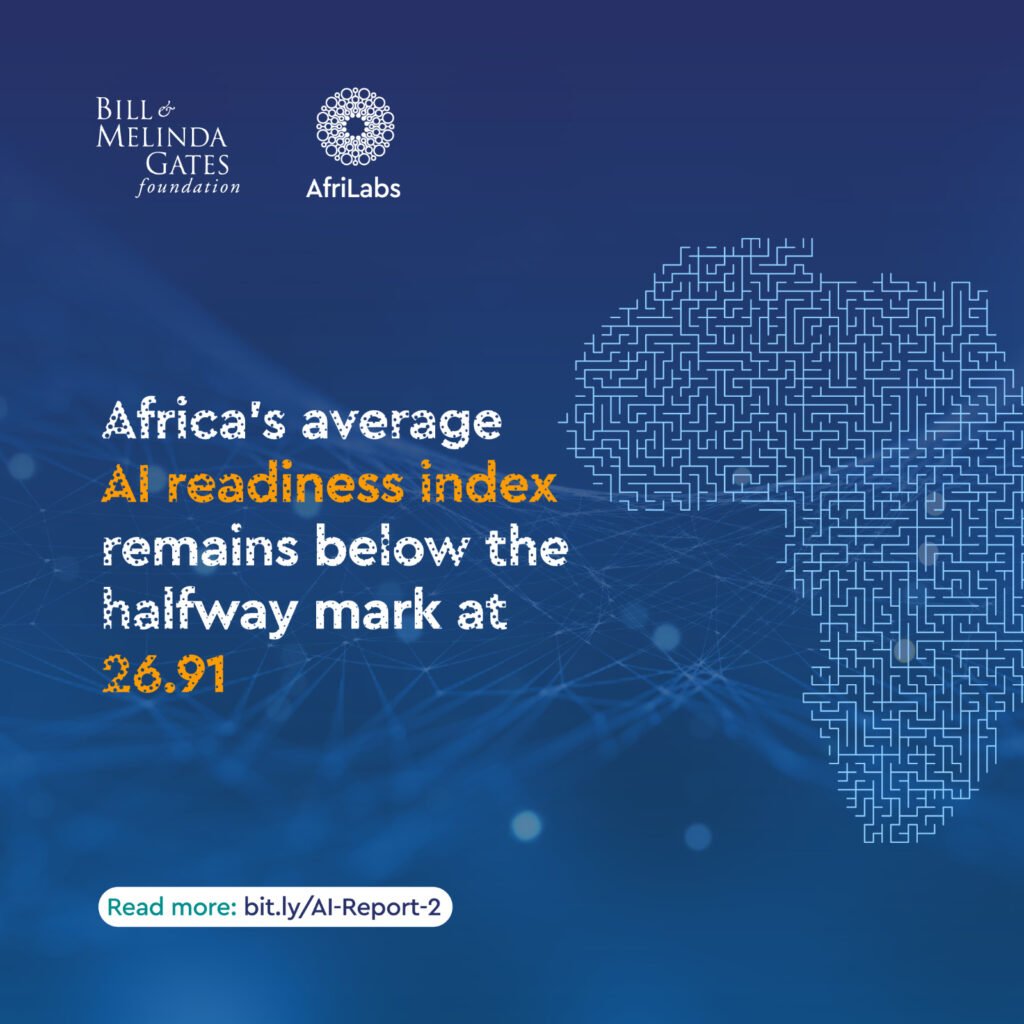
The Imperative of AI Infrastructure Investment for Africa’s Digital Future As we approach a new era powered by artificial intelligence (AI), the need for strong internet infrastructure in Africa has never been more important. The AI Startups Mapping in Africa report by AfriLabs, funded by the Gates Foundation provides a sobering but positive assessment of the continent’s AI readiness, with an average index of 26.91. This figure, which is far below the halfway point, emphasizes the vital need for further efforts and expenditures to boost AI activity across the continent. Bridging the AI Readiness Gap Despite Egypt, Kenya, South Africa, and Tunisia leading with index values above 40, none have achieved 50. This suggests that even the most advanced African countries are still in the early phases of AI development. Without substantial improvements in digital infrastructure, Africa risks falling further behind in the global AI race. The surge in AI applications necessitates an increase in high-performance computing (HPC) capabilities, such as GPUs and TPUs. These components are essential for developing and deploying complex AI models that rely on massive datasets and intricate computations. Over the past decade, global investments in digital infrastructure have soared, driven by factors like smartphone penetration and the rise of cloud computing. However, Africa must ramp up these investments to meet the evolving demands of AI. The Role of Digital Infrastructure Effective AI infrastructure is multifaceted, encompassing hardware and software elements that provide a broad range of capabilities. From data storage and cloud computing to robust communication networks and secure power connections, each component is crucial for unlocking AI’s full potential. For Africa, building this infrastructure is not just about technology; it’s about creating a foundation for innovation and socioeconomic development. Several initiatives are already underway, African countries are adopting digital strategies aimed at fostering an environment conducive to digitalization. Tech giants such as Amazon, Google, and Microsoft are investing in African data centers, rapidly expanding the continent’s hosting capacity. For instance, the establishment of the Tanzania National Internet Data Center (NIDC) exemplifies how government and private sector collaboration can enhance AI capabilities. By providing scalable storage and AI services, the NIDC is helping Tanzanian entities to leverage AI without the need to develop services from scratch. Specialization in AI Subfields African AI startups are showing remarkable focus in various AI subfields, which is crucial for addressing the continent’s unique challenges. The report highlights that 30% of AI startups in Africa specialize in Machine Learning, followed by Deep Learning (17%), Natural Language Processing (15%), Computer Vision (12%), Generative AI (10%), Reinforcement Learning (9%), and Robotics (7%). This specialization is pivotal for driving innovation in sectors like healthcare, finance, and agriculture, where AI can significantly improve outcomes. However, the growth in AI subfields also brings to light the urgent need for better infrastructure. As AI algorithms become more complex, the demand for computational power increases. Without the necessary digital backbone, these startups may struggle to scale their solutions and achieve their full potential. The Path Forward Africa’s digital infrastructure development requires a concerted effort to enhance digital infrastructure. This means investing in state-of-the-art data centers, expanding cloud computing capabilities, and ensuring reliable and fast communication networks. For instance, Tanzania’s licensing of public data centers from the private sector reflects a positive trend, but it must be scaled up to meet the high computing demands brought by AI. Governments across Africa must prioritize creating a safe and secure foundation for AI development. This involves not only building the physical infrastructure but also implementing policies that promote innovation, protect data privacy, and ensure cybersecurity. By doing so, Africa can create an ecosystem where AI can thrive, driving socioeconomic development and positioning the continent as a significant player in the global AI landscape. The future of AI in Africa holds immense promise, but realizing this potential hinges on the continent’s ability to build and sustain robust digital infrastructure. The AI Startups Mapping in Africa report serves as a clarion call for action. By addressing the current gaps and investing strategically in AI infrastructure, Africa can unlock unparalleled opportunities for innovation and development, ensuring that it does not just participate in the AI revolution but leads it. In the words of many experts, the time to act is now. The benefits of AI are too significant to be overlooked, and the costs of inaction are too high. Africa’s digital future depends on the steps we take today to build a foundation that can support the technologies of tomorrow. 📖 Read more in our report: bit.ly/AI-Report-2
Gender Diversity and Equity as Catalysts for Africa’s Digital Renaissance
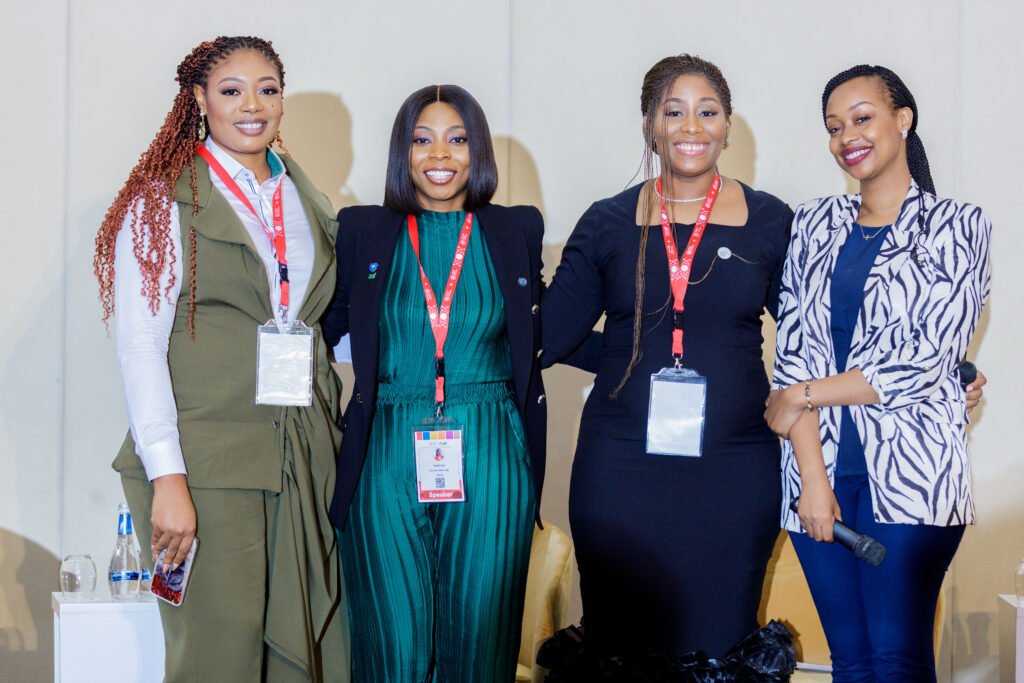
Gender Diversity and Equity as Catalysts for Africa’s Digital Renaissance An unstoppable revolution is currently taking place in the thriving African innovation and technology scene. Women’s voices are resonating as crucial strokes in the construction of an inclusive future characterized by equality and diversity. The AfriLabs Annual Gathering 2023 evolved into something much more than a standard conference—it was a dynamic conversation that went beyond the realm of tech talks. Between October 11 and 13, Kigali evolved from a place to a symbol pointing the way towards an inclusive and empowered digital future for the whole African continent. Gender diversity and equality emerge not just as goals but also as the driving force behind a transformative wave sweeping across innovation hubs and tech landscapes. One of the standout voices at the AfriLabs Annual Gathering 2023 was Sonnia Agu, CEO of SA Consulting, Nigeria. In a powerful statement, she emphasized the pivotal role of women in shaping policies that drive real change. “When coming up with a policy, it’s important that women are included in the conversations and understand them, so that definite actions are taken to address the needs of women,” asserted Sonnia Agu. Her words echoed the sentiment that true progress can only be achieved when the perspectives and experiences of women are not just acknowledged but actively integrated into the decision-making process. Fifehan Osikanlu, the Nigerian founder of Eden Venture Group, offered a distinctive viewpoint by emphasizing women as instruments for economic growth. “The importance of having the conversations is that women have been known across the globe as culture keepers; why not leverage that for economic growth?” she said. Her words resonated with the notion that gender diversity is a calculated step towards utilizing a range of skills for the general growth of economies, not merely an issue of equality. Chief Growth and Operations at Power to Learn Project, Kenya, Mumbi Ndung’u, highlighted the importance of intentionality in creating value and focused attention on women’s education. “We need to be more intentional in creating value for women in education,” Mumbi stated. Her words stressed how critical it is to remove obstacles preventing women from fully participating in society by providing them with the information and skills needed to prosper in the digital era. The meeting provided a forum for talking about the structural obstacles to gender diversity and equity and, more significantly, for coming up with solutions. In the context of Africa’s digital transformation, women’s roles are not only crucial, but also indispensable. The recognition of women as major drivers of cultural change, economic advancement, and the transformational potential of education heralded a paradigm shift in the way the tech and entrepreneurship sectors view and include women. Join Us for the AfriLabs Annual Gathering 2024 in Cape Town The AfriLabs Annual Gathering 2023 was a testament to the fact that the future of Africa’s digital economy isn’t just about technological advancements; it’s about harnessing the full spectrum of talent, irrespective of gender. The conversations sparked in Kigali were not just dialogues; they were seeds sown for a future where every woman’s potential is unleashed, driving Africa’s digital renaissance. These conversations are more than words; they are catalysts for a transformative journey towards a more inclusive and equitable future for all. As we eagerly anticipate the AfriLabs Annual Gathering 2024, the Gender and Inclusion track promises to be a highlight. This track will delve deeper into how gender diversity fuels innovation and economic growth across the continent. Don’t miss the chance to be part of this groundbreaking event. Register now and join us in celebrating and advancing gender diversity and equity: https://afrilabsgathering.com/ be a catalyst for change!
Empowering Tomorrow: Unleashing Africa’s Technological Renaissance Through Government Leadership
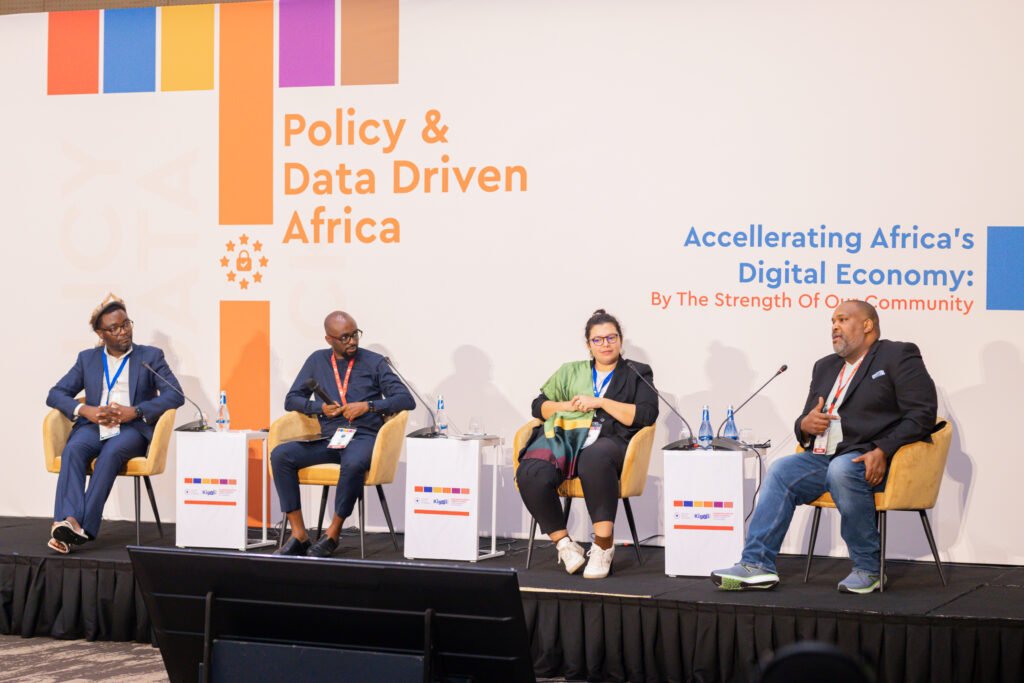
Empowering Tomorrow: Unleashing Africa’s Technological Renaissance Through Government Leadership Government strategies and policy initiatives are what propels emerging transformation as the continent embraces the boundless opportunities presented by the digital era. In addition to honoring the spirit of innovation and entrepreneurship, last year’s AfriLabs Annual Gathering event, which took place in the center of Kigali, Rwanda, from October 11–13, highlighted the critical role governments play in propelling the digital economy of the continent. Key stakeholders, including Rwanda’s Minister of Information and Communications Technology, Hon. Paula Ingabire, set the stage with a resounding endorsement of the event. Her commitment to supporting scalable startups underscored Rwanda’s proactive stance in leveraging cutting-edge ideas for community-wide benefits. Hon. Ingabire’s remarks resonated not only within Rwanda but also across Africa, highlighting the pivotal role of governmental backing in nurturing innovation ecosystems. The gathering featured a compelling fireside chat with Yves Iradukunda, Permanent Secretary of Rwanda’s Ministry of ICT, who articulated Rwanda’s strides in building a robust digital economy. His keynote speech underscored the transformative impact of technology on economic sectors, illustrating how Rwanda’s approach serves as a blueprint for other African nations. Further strengthening the dialogue was Hon. Benjamin Kalu, Deputy Speaker House of Representatives, Nigeria, who emphasized the crucial role of government policies in unlocking Africa’s innovation potential. His advocacy for supportive governmental frameworks echoed throughout the event, reinforcing the message that proactive policies are essential for fostering digital innovation across the continent. Collectively, these leaders conveyed a powerful message: Africa’s technological and innovation landscape thrives when governments collaborate closely with tech communities and innovation hubs. Their shared vision for an inclusive digital future highlighted the immense opportunities that await when governments prioritize supportive policies and initiatives. Join Us for the AfriLabs Annual Gathering 2024 in Cape Town Looking ahead, the anticipation for the AfriLabs Annual Gathering 2024 is palpable. Building on the momentum of 2023, the upcoming event promises even deeper insights and impactful discussions. Under the theme “Uniting Innovation,” the 2024 gathering will delve into critical issues at the intersection of policy, data, and AI in Africa. Don’t miss out on this opportunity to be part of shaping Africa’s future. Register now for the AfriLabs Annual Gathering 2024 and join global leaders, innovators, and policymakers in charting a path towards sustainable growth and innovation across the continent. Together, let’s unlock Africa’s potential and empower tomorrow’s leaders in technology and innovation. Register here: https://afrilabsgathering.com/ to secure your place, let’s make history together at the AfriLabs Annual Gathering 2024.
Fostering African Innovation: AfriLabs Annual Gathering 2023 Sparks High-Level Dialogue in Kigali
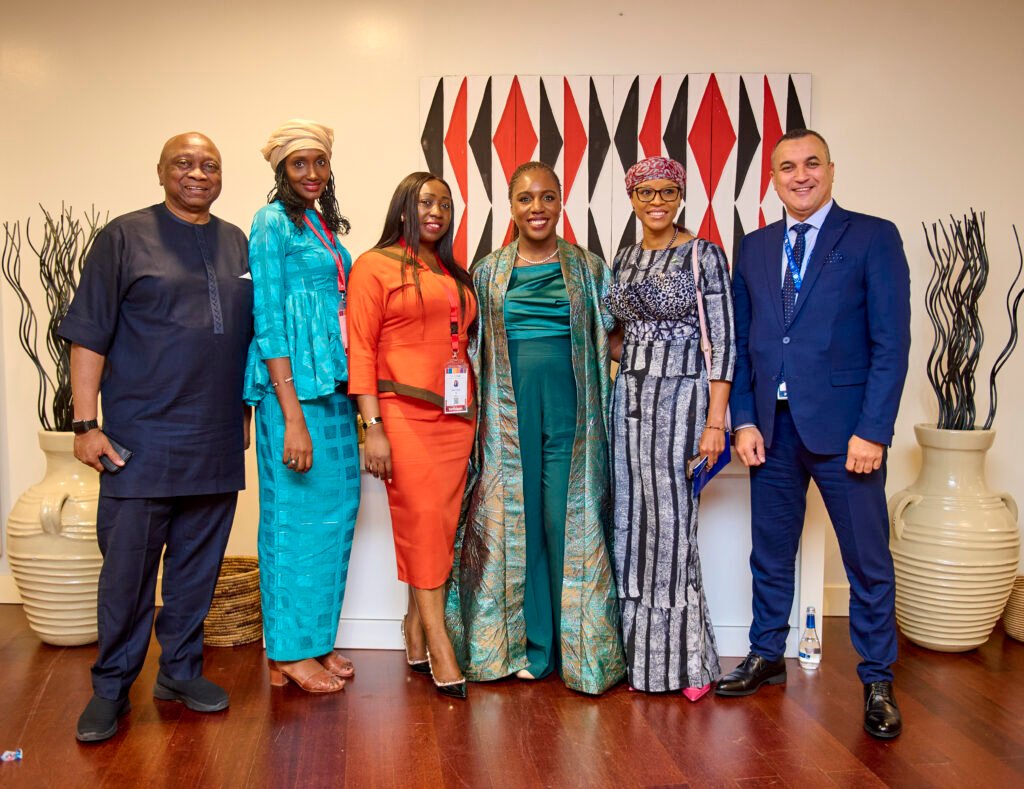
Fostering African Innovation: AfriLabs Annual Gathering 2023 Sparks High-Level Dialogue in Kigali Last year, AfriLabs hosted its Annual Gathering in the city of Kigali, Rwanda, from October 11th to 13th. At the heart of this landmark event was a high-level dialogue that united influential figures from across the continent to tackle the pressing policy challenges faced by African technology and creative startups. The dialogue, masterfully facilitated by Stephanie Busari, CNN Correspondent and Editor, brought together a distinguished panel of speakers who shared valuable insights into the evolving landscape of African innovation. Among the notable attendees was Esther Kunda, Director General of Innovation & Emerging Technologies in Rwanda, representing Honourable Paula Ingabire, Minister of ICT and Innovation. Rebecca Enonchong, Founder and CEO of AppsTech and Co-Founder of I/0 Spaces, a prominent AfriLabs Trustee from the USA/Cameroon was also in attendance. The lineup featured Anna Ekeledo, Executive Director of AfriLabs; Tamer Taha, Advisor to the Minister representing Dr. Raina Al-Mashat, Minister of International Cooperation of Egypt; and other key personalities shaping Africa’s tech and innovation ecosystem. The dialogue resonated with the passion and commitment of these individuals, all dedicated to propelling Africa into a new era of technological and creative excellence. The dialogue delved deeply into the challenges of accessing capital for startups, with Tomi Davies, Founding President of the African Business Angel Network (ABAN), emphasizing the importance of local investors. “Supporting local investors is crucial to de-risking startup investment in Africa. Government funds should follow, not lead, risk-prone investments,” he asserted. This sentiment underscored the necessity of fostering a supportive financial environment to spur entrepreneurial growth. Rebecca Enonchong highlighted the power of collaboration, stating, “This stakeholder forum is not in vain. Together, we’ve built solutions to challenges faced by startups in Africa.” She pointed to Catalytic Africa, a matching fund by ABAN and AfriLabs, as a prime example of initiatives aimed at strengthening African startups and angel investors. Her words underscored the transformative potential of unified efforts across the continent. Tamer Taha, representing Egypt’s commitment to innovation, assured stakeholders of the nation’s dedication to co-create solutions for startups. He announced the creation of a fund of funds, inviting innovative ideas on leveraging these funds for sustainable economic growth. This announcement marked a significant step towards mobilizing resources and fostering a thriving startup ecosystem. Tracy Okoro, State Adoption Lead of the Nigeria Startup Act, emphasized AfriLabs’ unique role as an aggregator. “AfriLabs has built solid partnerships and networks across Africa. With the Aggregator program, countries will collaborate through AfriLabs to distill solutions and solve challenges,” she explained. This role positions AfriLabs as a crucial connector and facilitator in the African innovation landscape. The high-level dialogue at AfriLabs Annual Gathering 2023 was not just a discussion—it was a commitment. A commitment to collaboratively navigate the challenges faced by startups, create innovative solutions, and solidify Africa’s position in the global tech and innovation landscape. As the dialogue concluded, the air was thick with determination, setting the stage for a future where Africa’s startups thrive and innovation knows no bounds. Join Us for the AfriLabs Annual Gathering 2024 in Cape Town Building on the momentum from Kigali, we are excited to announce the AfriLabs Annual Gathering 2024, taking place from November 5th to 8th in the beautiful city of Cape Town, South Africa. This event promises to be another pivotal moment in fostering collaboration, innovation, and growth across the continent. Be part of this transformative journey and join us in continuing to shape the future of African innovation. Register now and be a catalyst for change in the continent’s burgeoning tech ecosystem: https://afrilabsgathering.com/
AI Policy: An African and Global Emergency (Opinion)

AI Policy: An African and Global Emergency (Opinion) Since Edward Bernays, nephew to Sigmund Freud, applied his influential uncle’s work to branding and advertising, the field of propaganda has never been the same. You might not know who this man is; you might have never even heard his name – but you are aware of the term Public Relations. This phrase was coined by none other than Edward because when he wanted to brand his establishment that focused on swaying public opinion, propaganda sounded like a dirty word. A small change in vocabulary, right? Nothing that we need to pay close attention to. But by the turn of the century, Edward and his team of psychologists had figured out how to introduce women to smoking publicly, kick-started the notion of ready-made home meals with the formula pancake, got Americans excited about a war in the midst of the Great Depression, and most impressively, if you ask me – got the American public to like the rather bland passing head of state that was President Coolidge. This was done by organizing the first White House celebrity gathering, a practice that lives on to this day in American politics. Today, propaganda has moved on from the newspapers and occasional appearances on television to live in our pockets, waiting for the moment when we open our phones. And unlike the propaganda of old, which had to cast a wide net to catch its fish, now we have data to pinpoint habits and behaviors. Tailor-made propaganda, just for you. Tales of influenced elections and outright warmongering by companies like Cambridge Analytica are now popular media legends, and even Netflix has a whole documentary on how users are influenced by social media “suggestions”. Still, we have not moved for stronger regulation because in all of this, one could argue that we are still dealing in the realm of disinformation and misinformation. We are yet to cross the line into the space of outright illusion. This is about to change. No, this has already changed. First Celebrity Breakfast at the White House organized to improve public perception of President Coolidge. If you are a millennial with any interest in rap music, perhaps you might have heard about the clash of modern legends in what some are calling the Battle of the Big 3. While I am a fan of the culture myself with Kendrick Lamar as my champion, the influence of AI in this ongoing “beef” has rattled me in ways I had not anticipated. To start with, when Drake dropped his record in response to the who-is-number-one in the Big 3 debate, everyone paused to wonder if it was really Drake or if it was an AI fake. Thankfully, the artist was quick to come forward and claim the song. Great. About two weeks later, we heard two responses from Kendrick Lamar, and again the first reaction was to speculate if they were AI fakes or real. We aren’t talking about basic speeches here. We are talking about intricate rap flows with voice inflections and complex rhyme schemes. I have been listening to Kendrick Lamar’s music for over a decade, and I could not tell if I was listening to him or a computer-generated version. After much speculation, the sound engineer responsible for this AI fake came forward to tell the world he was behind it. Kendrick Lamar – Owl Hunting – Response To Drake’s Push Ups (Drop & Give Me 50 Diss) Loza Alexander Sample of AI assisted music featuring voice, tone, and inflection cloning This is all fun and games with entertainment where the risk of impersonation can be countered by the real artist accepting or denying the content, but what happens when it becomes a political tool? What happens when perfect clones of an opponent’s voice are used to spark tribalist sentiments in an African election? When such recordings are forwarded in siloed WhatsApp groups through populations lacking the skills to even conduct proper research for authentication? And unlike old-school propaganda where specific skills like graphic design and copywriting were required, the simplicity of AI prompting and its ability to learn and refine hyper-charges just how dangerous this technology can be if not properly safeguarded against misuse. The detonation of the first atomic bomb in Hiroshima marking the beginning of the nuclear age and pushing the doomsday clock closest to midnight It is understandable that the human psyche is prone to catastrophizing. It wouldn’t be the first time we thought technologies would end the world as we knew it, only for us to realize the biggest danger of the computer age is back problems from bad posture. A far cry from the predictions of the Matrix or the Terminator films where we ended up in complete machine tyranny. Thanks to the man versus machine trope popular in dystopian novels and the movies that followed, the average person is prone to thinking of the dangers of artificial intelligence as that of Us versus It. However, on closer inspection, like the atomic bomb and every other destructive form of technology that we have invented, the human behind the operation has always been the real threat. To better understand the immediate dangers of this technology on the African continent, we must start framing it within the context of use in our culture and environment. Can you even begin to imagine the level of sophistication to expect from the proverbial African Prince when he gets his hand on AI with AGI? The political mudslinging we are soon to be witnessing when parties clash? With what is at stake, Africa cannot simply wait for the rest of the world to design a regulatory structure for us to follow. The time is now to start formulating what will constitute Africa’s position on AI-related technologies. Who is liable when AI errors result in deaths? How do we protect African artists from AI piracy? What are the regulatory tests required for
New AI Insights: AfriLabs Publishes Two Groundbreaking Reports Funded by the Gates Foundation
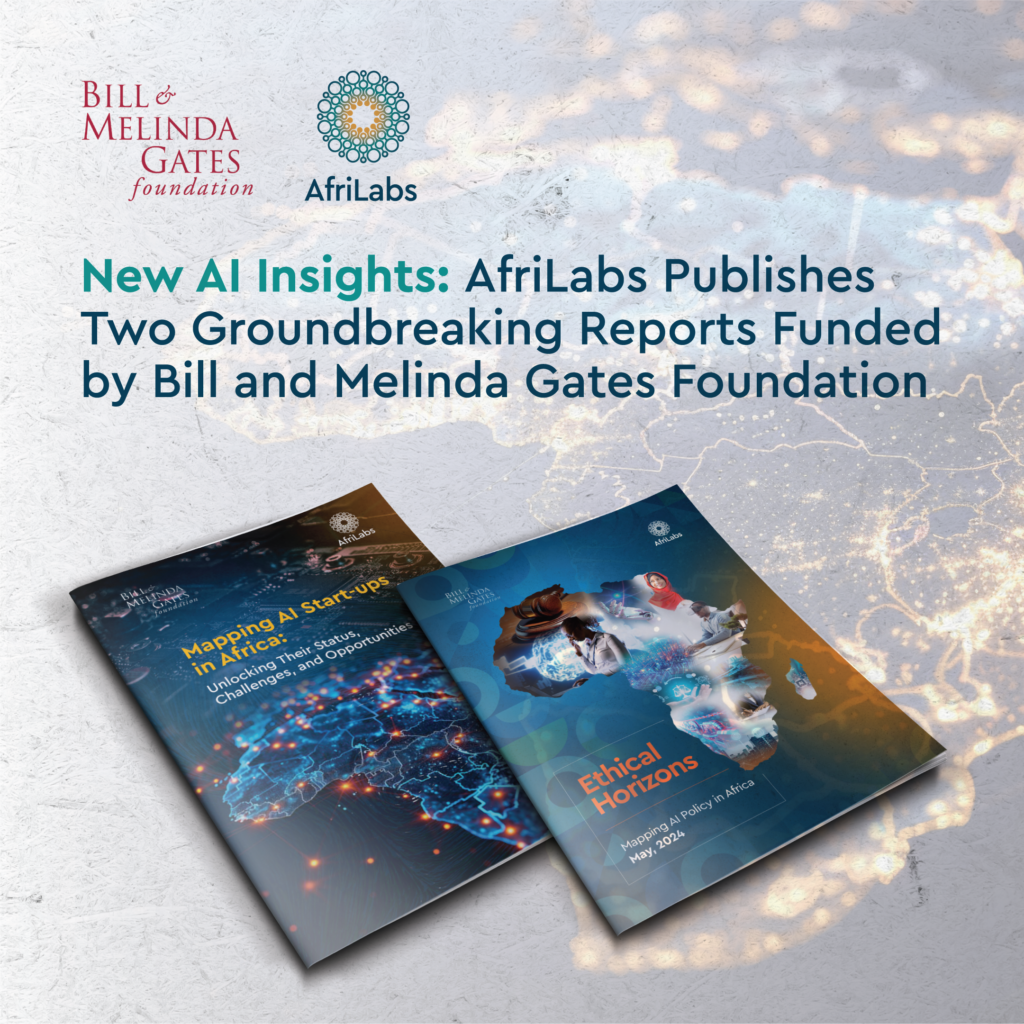
New AI Insights: AfriLabs Publishes Two Groundbreaking Reports Funded by the Gates Foundation AfriLabs, the largest pan-African network of technology and innovation hubs, is thrilled to announce the release of two pivotal studies on Artificial Intelligence (AI) in Africa. Funded by the Bill and Melinda Gates Foundation (BMGF), these studies offer unprecedented insights into the AI startup ecosystem and the ethical implications of AI policies on the continent. The first study, Landscape Analysis of AI Startups in Africa, provides a detailed mapping of AI startups across Africa. It categorizes startups by their areas of focus, stages of development, and geographical distribution, presenting a clear picture of the current AI landscape. The study also delves into the unique challenges and opportunities these startups face within Africa’s socio-economic environment. The second study, Implication of AI Ethical Policies on Africa Innovators and Entrepreneurs, examines how various ethical frameworks and policies influence AI development and deployment across different African countries. It highlights both the positive implications and potential drawbacks, offering strategic recommendations for policymakers to ensure that AI practices are not only ethical and aligned with Africa’s broader development goals but also enabled. Both reports fill critical gaps in existing knowledge and have far-reaching implications for practitioners, policymakers, and researchers working within the field of AI in Africa. These studies are expected to drive informed decision-making and foster a more supportive environment for AI innovation on the continent. Nanko Madu, Director of Programmes at AfriLabs, emphasized the importance of these studies, stating “The insights from these reports are invaluable for understanding the dynamic AI landscape in Africa and the ethical considerations that must guide our innovation efforts. We are grateful to the Bill and Melinda Gates Foundation for their support and are confident that these studies will serve as crucial resources for stakeholders across the continent.” The full reports are available for download at the following links: Ethical Horizons: Mapping AI Policy in Africa- https://bit.ly/AI-Report-one & AI Startups Mapping in Africa – bit.ly/AI-Report-2. About AfriLabs AfriLabs is the largest network of technology and innovation hubs across Africa, driving the growth of Africa’s innovation ecosystem. With a mission to support the development of the African technology and innovation ecosystem, AfriLabs connects hubs and other stakeholders to facilitate collaboration, resource sharing, and knowledge transfer. For media inquiries, please contact pr@afrilabs.com & comms@afrilabs.com. For more information about AfriLabs and its programs, please visit www.afrilabs.com.
Tech Equality: AfriLabs’ Role in Promoting Women in Technology

Tech Equality: AfriLabs’ Role in Promoting Women in Technology The African tech industry has seen a remarkable transformation over the past five years, and at the forefront of this change are a growing number of African women who are making significant contributions to the sector. While the representation of women in tech remains below par (less than 15% of Africa’s tech start-ups have at least one female co-founder, with fewer than 10% having a woman CEO), women across Africa are making their mark in this competitive and fast-moving industry, expanding representation in digital workspaces, and climbing the career ladder in the process. That said, it isn’t an easy road to success. There are many challenges that African women, just like their global counterparts, must overcome to succeed in the tech and innovation space. But, against the backdrop of persistent stereotypes and misconceptions about Africa’s potential, African women are proving that they can overcome obstacles that women across the globe can recognise – social, cultural and economic norms that deter girls and women from a career in tech, and gender discrimination in the workplace. In partnership with highly regarded organizations AfriLabs is actively advancing the cause of young African women through digital skills training programs , capacity building programs and job creation initiatives through start ups and hubs under our umbrella. Furthermore, AfriLabs is committed to empowering and nurturing young women across the African continent to realize their potential. Working with partners across the globe, we realized there was an amazing opportunity to simultaneously develop the skills that the impact sourcing industry in Africa desperately needed while offering African youth and women access to a career in tech that could change not only their own circumstances, but those of their entire family and community. AfriLabs has launched numerous initiatives, such as learning programs, boot camps, mentorship programmes, capacity building programs that have gone a long way to provide women with the necessary skills and knowledge to thrive in the tech sector. Some of such initiative are; RevUpWomen , 10 x 1000 tech for inclusion , AfriLabs connect, Digital and Entrepreneurship Skills Academy and of recently AfriLabs partnered with 2X Global a global industry body dedicated to increasing the volume and impact of capital directed toward women’s economic empowerment around the world. On an international level we have witnessed the initiation of programs such as ; google for startup accelerator, shecode Africa, all programs geared towards providing and upskilling for women interested in STEM. In the past 24 months we have pushed a good number of initiatives such as the RevUp Women Initiative which stands as an enterprise development program dedicated to supporting early-stage women-led businesses across Africa. Here ,our mission is to accelerate the growth of these ventures into profitable and sustainable entities, ultimately fostering job creation throughout the continent. Structured with a focus on promoting gender equality and driving inclusive economic growth, the Revup Women Initiative offers a comprehensive suite of support, including: enterprise development training, mentorship programs, peer-to-peer learning opportunities and facilitated access to finance. According to the Harvard University Center for African studies, including women in the digital economy in Africa presents enormous opportunities for reducing inequality, achieving development and economic growth, and accelerating business and market integration in Africa, a mission that highly engages AfriLabs commitments within the continent. In conclusion, the tech sector is growing faster in Africa than any other region based on volume and year-on-year expansion. The participation of African women in tech has witnessed incredible growth over the past five years, and this trend is expected to continue in the coming years. With increased access to education and training, the rise of mobile technology and digital platforms, and a growing recognition of the importance of diversity and inclusion, African women will make even greater contributions to the ecosystem. The future of tech in Africa is bright, and it is being shaped by a new generation of women who are determined to make a difference.
AfriLabs Announces Participation in the 4th India-Africa Entrepreneurship and Investment Summit
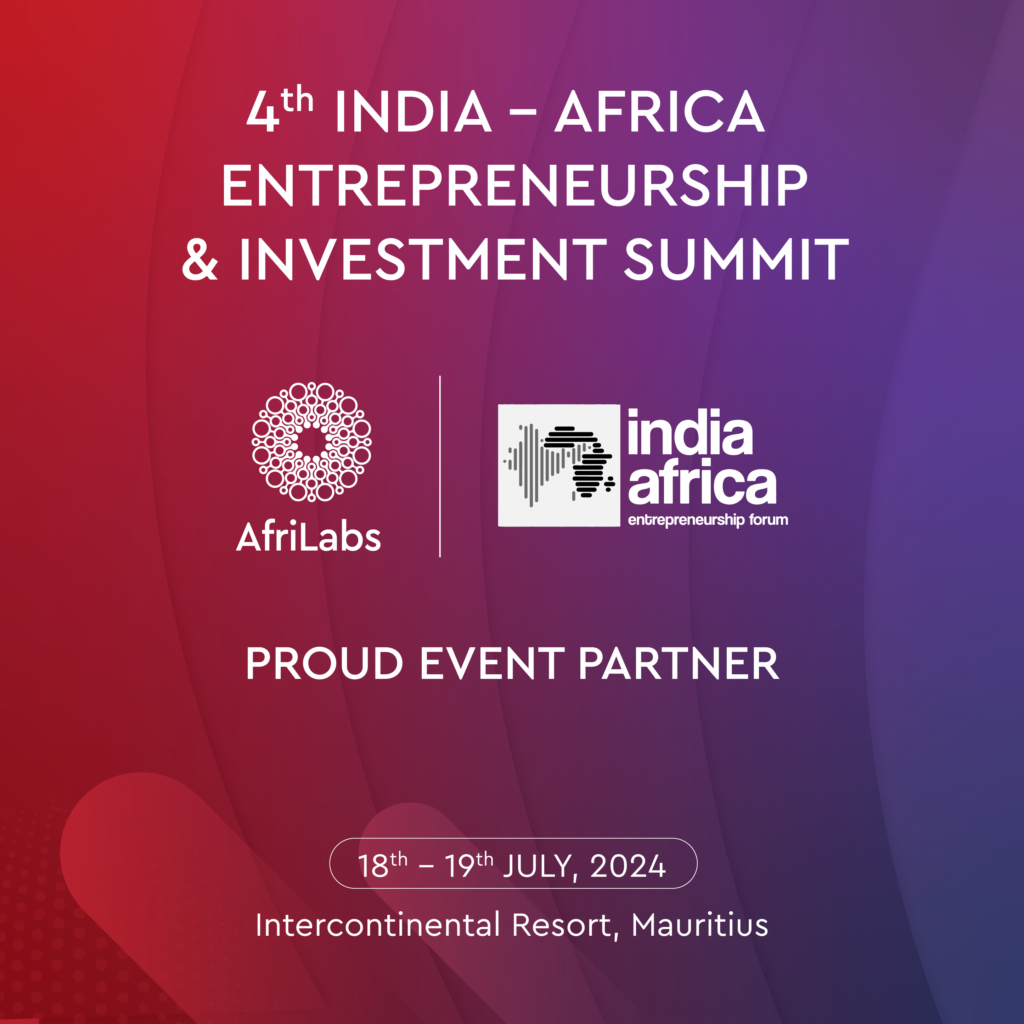
AfriLabs Announces Participation in the 4th India-Africa Entrepreneurship and Investment Summit AfriLabs is excited to announce its participation in the 4th Annual India-Africa Entrepreneurship and Investment Summit, set to take place from July 18-19, 2024, at the Intercontinental Resorts Balaclava Fort, Mauritius. This premier event, organized by AfriLabs, the Economic Development Board Mauritius, Indian Angels Network and Africa Business Angels Network aims to foster collaboration and drive economic growth between the two regions. The summit will bring together eminent entrepreneurs, thought leaders, policymakers, and investors from both India and Africa, featuring a series of workshops, panels, and networking opportunities designed to explore and enhance mutual growth. Africa’s fifty-four states produced a combined GDP in excess of US$3.2 trillion—almost the same as India. The continent’s economic growth, estimated to be 3.2 percent in 2024, includes six of the world’s fastest growing economies. India and Africa can collaborate at various levels to co-create opportunities for mutual benefit, this event will facilitate this as an endeavor. The Fourth India-Africa Summit intends to provide opportunities for established Indian corporates to acquire/make strategic investments into African ventures for market access and expansion. Additionally, the event aims to connect African entrepreneurs with their Indian counterparts to create AfricaFirst startups, leveraging their experience in emerging markets. The summit will also advocate for African DFIs to invest in Africa drawing upon the experience of Indian DFIs such as SIDBI and others. Furthermore, the event seeks to connect entrepreneurial ecosystem players between India and Africa for knowledge sharing and capacity building. Anna Ekeledo, Executive Director of AfriLabs, expressed her enthusiasm about the upcoming summit, stating, “We are pleased to announce our partnership with the 4th Annual India-Africa Entrepreneurship & Investment Summit. This event is a vital convergence of ideas and initiatives, bringing together key players from both continents to foster innovation and economic progress. We look forward to engaging in insightful discussions, workshops, and networking sessions that will undoubtedly drive transformative change.” Building on the remarkable success of its three previous editions, the organizers are inviting preeminent entrepreneurs, thought leaders, policymakers, and investors from both Africa and India to participate in this exceptional event. Don’t miss the opportunity to be part of this vibrant exchange of ideas and opportunities. Interested participants are encouraged to register early to secure their place! Register at: https://africa-india.org/ About AfriLabs AfriLabs is the largest network of technology and innovation hubs across Africa, driving the growth of Africa’s innovation ecosystem. With a mission to support the development of the African technology and innovation ecosystem, AfriLabs connects hubs and other stakeholders to facilitate collaboration, resource sharing, and knowledge transfer. About the India Africa Entrepreneurship Forum The India Africa Entrepreneurship Forum is dedicated to enhancing the entrepreneurial ecosystem and fostering investment opportunities between India and Africa. Through various initiatives and events, the forum aims to create a robust platform for sustainable economic development and collaboration. For media inquiries, please contact pr@afrilabs.com & comms@afrilabs.com. For more information about AfriLabs and its programs, please visit www.afrilabs.com.
GCA YouthADAPT Webinar: SMEs as a Key Driver for Climate Adaptation & Innovation in Africa

GCA YouthADAPT Webinar: SMEs as a Key Driver for Climate Adaptation & Innovation in Africa As part of the GCA Youth Adapt Challenge, AfriLabs is pleased to announce an upcoming webinar titled “SMEs as a Key Driver for Climate Adaptation & Innovation in Africa,” scheduled for June 27th, 2024, at 2 pm WAT. The webinar aims to underscore the critical role of Small and Medium-sized Enterprises (SMEs) in driving economic growth, fostering innovation, and addressing climate-related challenges across the African continent. By showcasing initiatives such as the GCA YouthAdapt Challenge, the event seeks to highlight how SMEs, particularly those led by young entrepreneurs, are becoming pivotal agents of change in climate adaptation and innovation. The African Adaptation Acceleration Program (AAAP) YouthADAPT pillar, launched to prepare a new generation of African youth for green and climate-resilient development, has been instrumental in promoting entrepreneurship and innovation for climate adaptation and resilience in Africa. The AAAP YouthADAPT Challenge, an annual competition jointly organized by the Global Center on Adaptation, African Development Bank, and Climate Investment Funds, aims to scale up transformative youth innovations for climate action. In its mission to strengthen inclusive growth and broaden investment opportunities for African youth, the YouthADAPT Challenge has awarded grants of up to $100,000 to each winner, providing them with a platform to scale up their businesses and create decent jobs. The program has garnered significant attention, with winners announced at high-profile events such as COP27 and COP28. SMEs are recognized as crucial drivers of economic growth and innovation across Africa, particularly in the face of increasing climate-related challenges. Their locally-driven solutions and deep understanding of local contexts enable them to develop targeted and culturally appropriate adaptation strategies. Moreover, SMEs’ adaptability and quick innovation make them effective responders to emerging climate threats. With SMEs generating a significant portion of formal job positions in emerging markets, their role in achieving Sustainable Development Goals 8 and 9 cannot be overstated. The upcoming World SME Day on June 27th serves as a timely reminder to recognize and celebrate the resilience and impact of SMEs worldwide. The webinar aims to achieve several key objectives; highlight the significance of SMEs in contributing to economic growth, climate adaptation, and innovation in Africa, emphasize the growing importance of SMEs in addressing climate-related challenges on the continent, showcase initiatives like the African Youth Adaptation Solutions Challenge as examples of leveraging young entrepreneurs’ creativity for climate resilience, examine the potential of SMEs as agents of change in climate adaptation and innovation in Africa, and explore the role of SMEs in fostering climate resilience and adaptation strategies across various sectors in Africa. Nanko Madu, Director of Programmes at AfriLabs, stated, ‘SMEs are the backbone of Africa’s economy and hold immense potential in driving climate adaptation and innovation. By empowering young entrepreneurs and investing in their capacity, we can unlock transformative solutions that address pressing environmental challenges while fostering economic growth and resilience across the continent.’” Register now and join us on June 27th for this insightful webinar using this link: https://tinyurl.com/YAChallenge2022. About AfriLabs: AfriLabs is the largest network of technology and innovation hubs across Africa, driving the growth of Africa’s innovation ecosystem. With a mission to support the development of the African technology and innovation ecosystem, AfriLabs connects hubs and other stakeholders to facilitate collaboration, resource sharing, and knowledge transfer. To learn more about the webinar contact Lisa on Lisa@afrilabs.com. For general information about AfriLabs visit www.afrilabs.com. For media inquiries, please contact pr@afrilabs.com & comms@afrilabs.com
AfriLabs and Korea-Africa Foundation Establish Strategic Partnership to Propel Innovation and Economic Prosperity Across Both Regions.
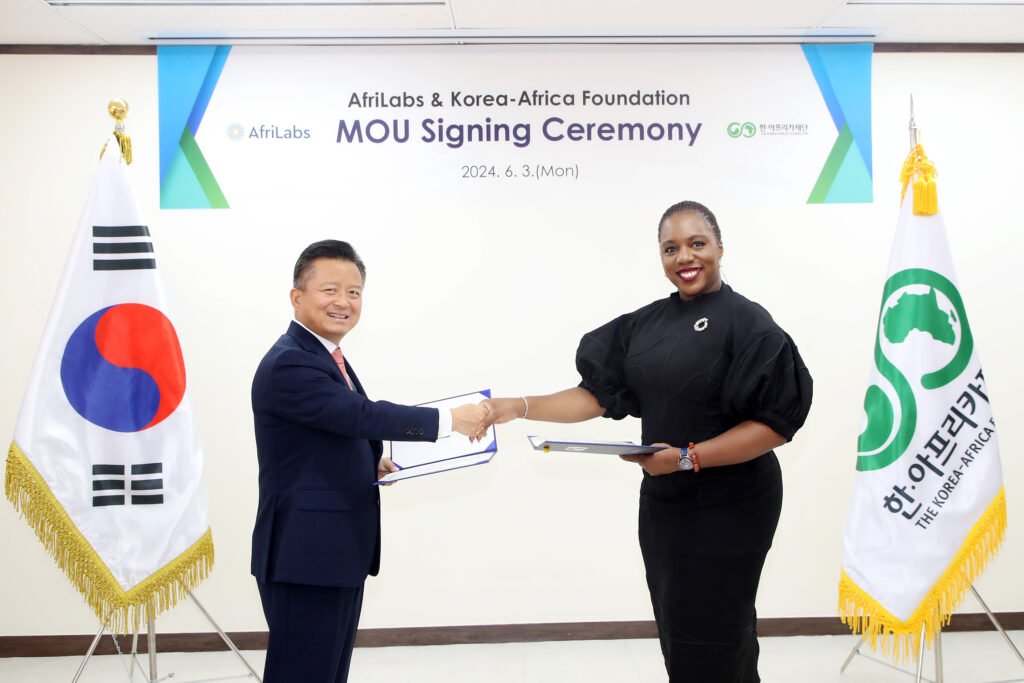
AfriLabs and Korea-Africa Foundation Establish Strategic Partnership to Propel Innovation and Economic Prosperity Across Both Regions AfriLabs, the largest network of technology and innovation hubs in Africa, has signed a Memorandum of Understanding (MOU) with the Korea-Africa Foundation (KAF). This strategic partnership marks a significant leap forward in AfriLabs’ mission to drive innovation and economic growth across the continent. The collaboration aims to bridge the gap between Korean and African startups by leveraging each other’s expertise and resources. This will be achieved through the exchange of insights on youth development, the launch of joint research initiatives, and the fostering of a dynamic ecosystem that cultivates talent and entrepreneurial spirit in both regions. Anna Ekeledo, Executive Director of AfriLabs, expressed her excitement about the partnership, “At AfriLabs, we are dedicated to unlocking Africa’s full potential and generating wealth through strategic alliances. This partnership with the Korea-Africa Foundation unlocks a treasure trove of opportunities for startups, granting them access to a global network, invaluable resources, and unparalleled industry knowledge. Together, we will empower the next generation of African innovators and entrepreneurs, paving the way for sustainable development and a thriving economy.” This partnership is a testament to the power of strategic alliances in driving positive change and economic growth. As AfriLabs and the Korea-Africa Foundation embark on this exciting journey, they invite stakeholders, investors, and innovators to join them in shaping a brighter future for Africa and beyond. About AfriLabs AfriLabs is the largest network of technology and innovation hubs across Africa, driving the growth of Africa’s innovation ecosystem. With a mission to support the development of the African technology and innovation ecosystem, AfriLabs connects hubs and other stakeholders to facilitate collaboration, resource sharing, and knowledge transfer. About Korea-Africa Foundation KAF aims to serve as a platform for collaboration between the private and public sectors, strengthen exchange and cooperation with African countries and enhance mutual understanding so that Korean youth, businesses and organizations can explore a new dimension of possibilities together with the African continent that is dynamically unfolding its boundless potential. For media inquiries, please contact pr@afrilabs.com & comms@afrilabs.com. For more information about AfriLabs and its programs, please visit www.afrilabs.com.