Nurturing Youth Voices in the Digital Era for a Sustainable Future

Nurturing Youth Voices in the Digital Era for a Sustainable Future AfriLabs, a key player in fostering innovation throughout Africa, engaged in the 1st Digital Cooperation Organization’s (DCO) International Digital Youth Dialogue during its 3rd General Assembly in 2024. The event, held in Manama, Kingdom of Bahrain, on January 30, 2024, themed “Youth Voices in the Digital Era: Building a Sustainable Future,” served as a rallying cry for youth engagement in crafting a thriving and sustainable digital economy. Spearheaded by DCO in collaboration with the Ministry of Transportation and Telecommunications Kingdom of Bahrain, the event, nested within the larger framework of DCO’s 3rd General Assembly, provided a global platform with a primary focus on fostering conversations on the pivotal role of youth in steering development of the digital economy, propelling innovation, fueling economic growth, and ensuring the enduring sustainability of our digital landscape. The event further provided a platform for knowledge sharing, finding solutions to challenges, discussing the role of the stakeholders and fostering an environment for networking and collaboration. In the realm of digital evolution, the youth, as digital natives, wield a pivotal role in shaping the digital economy. However, they grapple with multifaceted challenges, ranging from a digital skills gap and restricted access to technology to educational disparities, economic inequality, job insecurity, cybersecurity threats, mental health repercussions, global competition, privacy concerns, and a lack of mentorship. These challenges underscore the imperative for concerted efforts from governments, educational institutions, and businesses to empower and bolster the youth in realizing their full potential within the digital era. Under the youth track, AfriLabs’ Executive Director, Anna Ekeledo participated in the program as a moderator for the session “Youth Voices in the Digital Era: Building a Sustainable Future.” The track comprised workshops focusing on understanding the digital landscape and empowering youth for a sustainable digital future. The discussions were focused on the challenges and barriers the youth participating in the digital economy face and suggested solutions for overcoming them to build a sustainable inclusive digital future. The workshop yielded significant outcomes, encompassing a thorough compilation of challenges impeding youth in the digital economy, an extensive catalog of solutions aimed at fostering a sustainable digital future, and the adoption of a declaration by the youth, titled “Global Youth Call to Action on Building a Sustainable Digital Future.” The latter is scheduled for release later this week. AfriLabs is committed to supporting initiatives that empower the youth, foster innovation, and ultimately contribute to a sustainable and inclusive digital future for Africa and beyond. For more information about our participation, please contact Peter Ekanem at peter@afrilabs.com. Join AfriLabs Connect today via www.africonnect.net and connect with the largest community of innovation enablers in Africa.
African youth-led innovations secure funding to transform adolescent mental and reproductive health at Youth Connekt Africa Summit 2023

African youth-led innovations secure funding to transform adolescent mental and reproductive health at Youth Connekt Africa Summit 2023 Nairobi, Kenya 11th Dec 2023: AfriLabs, in collaboration with the United Nations Population Fund (UNFPA), participated at the Youth Connekt Africa (YCA) Summit 2023, held from December 8th to 12th in Nairobi, Kenya. The annual summit centered around the theme “Youth Innovating a Borderless African Renaissance” offered a platform for policy discussions, storytelling, networking, and entrepreneur-focused programs, including a marketplace and investor meetings. In pushing for the advocacy on Mental Health and Adolescent Sexual and Reproductive Health and Rights (ASRHR), Afrilabs and UNFPA launched a project in July 2024 that seeks to address the interconnected challenges of mental health and ASRHR. Afrilabs organised a pitch competition event at the YCA summit and thus showcasing the two winners and overall outcomes of the hacklab at the Summit. Ten finalists drawn from Malawi, Namibia, Botswana, Eswatini, Mozambique, South Africa, Lesotho, Zimbabwe, and Rwanda competed for the top prize at the pitch event held on the sidelines of the Youth Connekt Africa Summit 2023. The innovative solutions presented at the Summit stemmed from a 3-day online bootcamp organized by Afrilabs in October. Two Remarkable solutions emerged from young innovators across the continent, proposing novel approaches to positively impact the lives of adolescents and youth in the fields of mental health and reproductive health. A rigorous evaluation process, led by a jury featuring representatives from AfriLabs’ network of experts, culminated in the selection of two winning solutions. These outstanding projects not only secured $20,000 each in scale funding but also earned exclusive business incubation support that will be facilitated by Afrilabs through their extensive network of innovation hubs. Standing at the forefront of empowerment through digital media, Selma Ndasilohenda Iyambo from Namibia claimed the top spot with her groundbreaking youth podcast. Delving into the realms of Sexual and Reproductive Health (SRH) and mental health, the podcast also serves as a powerful tool for uplifting young mothers and fostering community impact. On the heels of this achievement, Tilitonse Concept, led by Tapiwa Penama from Malawi, emerged as the second-place winner. Functioning as a comprehensive hub, it empowers the youth residing in Malawi’s Dzaleka camp with valuable insights into mental health and crucial Adolescent Sexual and Reproductive Health and Rights (#SRHR) choices. Together, these innovative solutions embody a vision for positive change, demonstrating the transformative potential inherent in forward-thinking initiatives. In closing, the Youth Connekt Africa Summit 2023 has not only been a gathering of minds but a testament to the resilience and creativity of Africa’s youth. Afrilabs, in partnership with UNFPA, has spearheaded initiatives that address critical aspects of adolescent health, leaving an indelible mark on the landscape of innovation. The winning solutions, forged through collaboration and determination, pave the way for positive change, echoing the potential of technology and creativity to transform lives. As we reflect on this summit, let it be a reminder that the journey towards a brighter, healthier future is powered by the ingenuity and passion of the continent’s youth, whose ideas continue to shape the trajectory of Africa’s progress. Over the last 2 years of collaboration between AfriLabs and UNFPA over 200k USD has been given to over 9 innovators turned startups to scale their efforts in fighting against harmful practices through establishment of social impact businesses. For more information on our participation at the Youth Connekt Africa Summit 2023 – Mental Health and ASRHR Hacklab Final Pitching please contact baluku(@)afrilabs.com.
Challenges of Scaling Up Youth-Led Climate Adaptation in Africa: The Role of Innovation

Challenges of Scaling Up Youth-Led Climate Adaptation in Africa: The Role of Innovation In a world grappling with the unprecedented challenges posed by climate change, the spotlight has firmly shifted towards the invaluable contributions of youth-led initiatives in addressing climate adaptation in Africa. This paradigm shift is vividly embodied in the YouthADAPT program, a collaborative effort between Global Center for Adaptation (GCA), African Development Bank (ADB), and Climate Investment Funds (CIF), with AfriLabs playing a pivotal role as the implementation partner. This intervention seeks to empower and accelerate youth-led adaptation enterprises hand picked through an open competition by providing them with funding and targeted business development support such as hands on mentoring and coaching, tailored training and peer to peer learning opportunities all run under the acceleration component of the project. As part of the acceleration component of the program,, AfriLabs facilitated a webinar on “Challenges of Scaling Up Youth-Led Climate Adaptation in Africa” which took place on September 29th 2023. The webinar served as a convergence point for a diverse panel of experts representing both the public and private sectors, alongside previous winners of YouthADAPT Challenge cohorts. Together, they discussed the depth of the crucial issues surrounding youth-driven climate adaptation innovations across the African continent. Discussions highlighted the vital role that Africa’s youth play in combating climate change and sheds light on the significant challenges they encounter, particularly in accessing essential financial resources. Additionally, it explored potential solutions and highlighted the pressing urgency of amplifying youth-led climate adaptation efforts in Africa. The objectives of the webinar included identifying hindrances to innovations in climate change adaptation, highlighting the role of public-private partnerships in youth led adaptation innovation, exploring how governments can encourage youth involvement in climate change adaptation innovation and deliberation on mobilising private sector financing options. Dr Linda Ogallo, the moderator who also serves as AfriLabs’ in-house Climate Adaptation Expert and Climate Information Services Expert at ICPAC kicked off the webinar session by summarising some of the outcomes from the African Climate Summit held in September in Kenya. Dr Ogallo gave an overview of the commitment of African Heads of states to promoting youth led actions aimed at engendering climate change adaptation across the continent. She further emphasised the importance of exploring governments’ participation in encouraging youth involvement in climate change adaptation innovation and mobilising public and private sector funding to push climate resilience in Africa. Representatives from the Global Center on Adaptation and Climate Investment Funds, the funders of the Youth Adaptation Solutions Challenge, gave the introductory remarks following Dr Ogallos introduction. Further, Serah Nderitu, Senior Program Officer at GCA highlighted some of the achievements of the AAAP which the Youth Adaptation Solutions Challenge is a pillar of in driving climate adaptation innovation and creating opportunities for young Africans. She spoke about the importance of financing “Global finance significantly affects youth-led enterprises and only 16% of global financing is supporting adaptation projects”. She also stated “Regulations need to be in place to incentivize private sector investments into investing not only in adaptation, but also into youth- led adaptation enterprises. This can take many shapes, including providing tax incentives, reducing bureaucratic red tape”. In addition, Dr Xianfu Lu, Senior Strategy and Outreach Advisor on Adaptation and Climate Resilience at CIF Secretariat also spoke about the pivotal role that the youth can play in mobilising climate action and the importance of aligning with them. She highlighted that the CIF has been “supporting youth groups and young climate leaders through capacity building, and prioritising the needs of young people and engaging young people in decisions about investments and the infrastructure in our programs”. Keynote speaker Yacouba Ouedraogo opined that Africa is arguably the most vulnerable continent to climate change, facing a multitude of challenges from extreme weather events to food insecurity. Panel speakers Isaac Asomani;Investment Manager at Wangara Green Ventures, Hillary Korir; Senior Economist, The National Treasury and Planning: Climate Finance & Green Economy Unit in Kenya, Irene Boghdadi; Head of MSMEs at Chemonics Egypt and Baliqees Saludeen; GCA Youth Advisory Panel all had converging voices on how Africa faces an array of formidable challenges, ranging from extreme weather events to food insecurity. Against this backdrop, the participation of youth in climate adaptation takes on a paramount significance. Their energy, innovative spirit, and deep-rooted engagement within their communities offer invaluable assets that can drive substantial change in the battle against climate change. They also reiterated the importance of diversified funding sources; public and private sector involvement and financing. Key Takeaways The immense potential of African youth needs to be harnessed in order to combat climate change and enhance climate resilience in Africa. A number of key outcomes came out of discussions held. Youth-Driven Innovation: African youth are leading the charge in pioneering innovative climate adaptation strategies. They bring fresh perspectives, technical prowess, and solutions rooted in local communities, all of which are pivotal in constructing sustainable adaptation strategies. Equally critical is the provision of guidance and the facilitation of connections with potential funding partners to foster the scaling of these initiatives. Enhanced Public and Private Sector Funding: Funding for Climate Adaptation projects needs to be enhanced, more research into climate adaptation initiatives for funding is essential in building climate resilience in Africa. Community Engagement: Youth-led initiatives invariably exhibit a profound connection to their local communities, ensuring that their adaptation strategies remain deeply rooted and tailored to the unique needs of each region. This community engagement stands as a fundamental pillar underpinning the success of such projects. Youth as Agents of Change: It is imperative to recognize that young people are not merely passive beneficiaries but proactive agents of change. Their involvement in climate adaptation engenders a sense of ownership and responsibility, ultimately contributing to the enduring success of these efforts. Challenges Despite their zeal and potential, youth-led climate adaptation initiatives face an array of substantial challenges. The discussions during the webinar highlighted some of these
Catalysing Africa’s Digital Economy: Content Tracks for Collaboration, Policy advocacy, Inclusion, and Sustainability at the AfriLabs Annual Gathering 2023
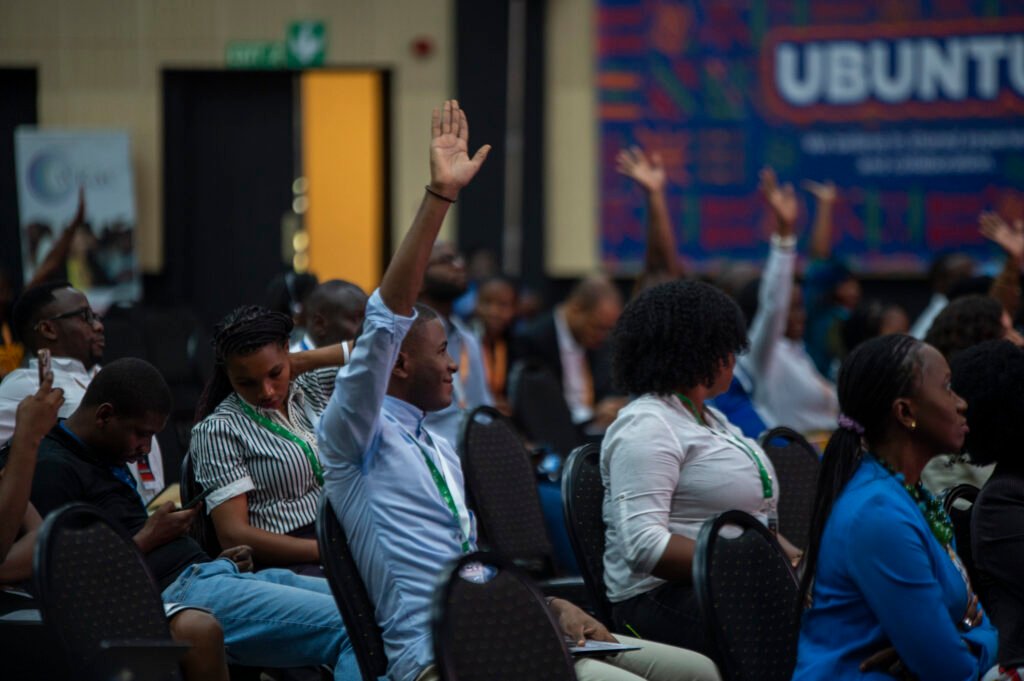
The global digital landscape is advancing at an unprecedented pace, and with each passing day, new innovations are being introduced to the market. The importance of technology in driving Africa’s economy is becoming increasingly evident. Africans have an opportunity to lead this revolution, solve diverse challenges and take the continent to the next level. All stakeholders must understand the urgency needed to make this change a reality. This starts with having the right conversations, utilizing relevant technologies and having the opportunity to take advantage of this revolution. These are our priorities at this year’s AfriLabs Annual Gathering. The AfriLabs flagship event, AfriLabs Annual Gathering 2023, is scheduled to take place in Kigali, Rwanda from Wednesday, October 11th to Friday, October 13th. The purpose of the event is to accelerate the growth of Africa’s digital economy by bringing together stakeholders from the African technology and innovation ecosystem. The event consists of six content tracks, each with a specific focus. The Investor track will explore funding gaps in the African technology and innovation ecosystem and innovative solutions required to bridge these gaps. The Climate Change and Adaptation track will bring together experts and innovators to explore sustainable approaches to climate action. The Creative and Technology Intersection track will showcase cross-sector collaborations and innovative initiatives that leverage technology for expression and business development. The Policy and Data-Driven Africa track will explore policy-related challenges and data-driven decision-making and governance strategies for inclusive growth in Africa. It will also feature a ministerial roundtable focused on policy harmonisation. The Gender Inclusion track will highlight the importance of gender diversity and equity within the tech and entrepreneurship sectors. Lastly, the Hub Solutions & Sustainability track will examine how African technology and innovation hubs can offer quality support to startups while remaining profitable. Discussions will cover pain points, opportunities, scalability, and innovative financing. The AfriLabs Annual Gathering will provide attendees with access to investor networks and key stakeholder groups, including startups, academics, media partners, developmental organizations, and industry titans. In addition to sessions and masterclasses from industry leaders and key government officials, the gathering will also offer opportunities to launch projects, identify investment opportunities, explore new business models, and develop trends for the next year in technology and innovation in Africa. Rwanda’s Minister of Information and Communications Technology (ICT), Hon Paula Inagbire, stated that “Rwanda is always open to welcome regional and global innovators. Our goal is to empower scalable startups that collectively transform our communities with cutting-edge innovations.” The sentiment perfectly reflects the purpose of AfriLabs Annual Gathering 2023: bringing together individuals from all facets of the technology and innovation ecosystem in Africa to meet, learn, and share.If you want to be a part of shaping Africa’s innovation and technology ecosystem or stay abreast of the latest developments, don’t miss out on AfriLabs Annual Gathering 2023!
Revolutionizing the African Innovation & Technology Ecosystem: Discover the AfriLabs 8th Annual Gathering Track Champions
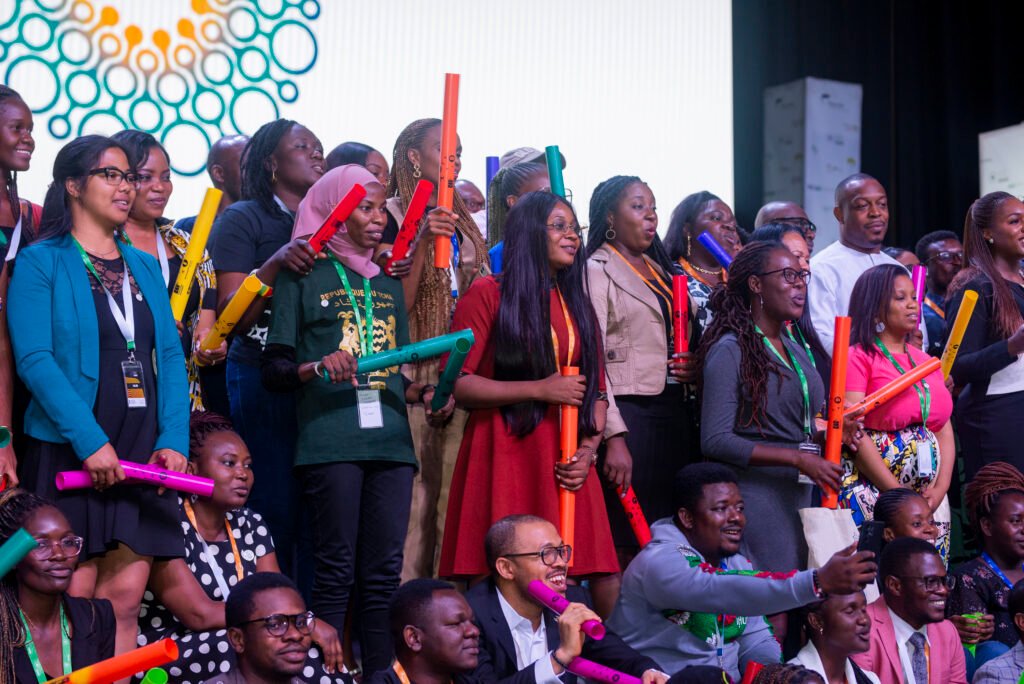
AfriLabs is revolutionizing the African innovation and technology ecosystem with their 8th Annual Gathering, taking place in Kigali, Rwanda from Wednesday the 11th of October to Friday the 13th of October 2023. This year’s gathering and theme “Accelerating Africa’s digital economy; by the strength of our community” provides attendees with access to investor networks and key stakeholder groups which include high-level startups, academics, media partners, developmental organizations and titans of industry. The event will feature key industry leaders/organizations as track champions who are ready to reshape the future of African innovation. These champions will provide activities such as panel discussions, master classes, workshops, focus group discussions, training, showcase of best practices and co-creation sessions throughout the event. Organizations involved include; VC4A, Smart Africa, GCA, Industry Nite, Office of Global Partnership, Nobody’s Listening, Clintonel, Film Hedge, 360 Creative Hub, Assembly Hub, Plural, Clean Technology Hub, Grid Innovation, NCIC, Digifemmes, Acelera Angola, Fie_Labs, Zixtech, TechQuest Stem, iSpaceGhana, Snake Nation, The Scathcompanies, Atsur and many more. All these reputable organizations and hubs take an interest and specialize in the areas of climate change and climate adaptation, creative and technology intersection, policy and data-driven Africa, gender inclusion, and finally Hubs solutions and sustainability. This is a great chance for stakeholders across different sectors to come together under one roof not only to exchange knowledge but also to witness first-hand how collective action can help shape this continent’s future into a fully digitized Africa by 2030. By providing these opportunities AfriLabs has created an invaluable platform where members can learn from each other regardless of sector or geographical location creating something truly special that gives us insight into what our continent could become if we work together towards achieving common goals: A better connected Africa with more resources available for everyone! So don’t miss out on your chance.
DIGITALL: Empowering Gender Equality in Africa through Innovation and Technology

Credit: AfriLabs Human Resources Department Innovation and technology have become an inseparable part of our lives, revolutionizing the way we interact with the world around us. These tools are no longer just a means to an end, but a vital instrument for tackling real-world problems. In the quest for progress and equality, women have played an indispensable role in driving innovation and technology forward. Despite a historically male-dominated technology industry, women have made significant strides in recent years, breaking down barriers and paving the way for greater gender equality. From the development of new products and services that cater specifically to women’s needs to the creation of algorithms that are fair and unbiased, women have been instrumental in advancing technology and promoting inclusivity. One organization that has recognized the critical role of women in technology is AfriLabs, a pan-African network of technology and innovation hubs. AfriLabs has been working tirelessly to support women-led projects and promote greater diversity and inclusivity in the tech industry. Through RevUp Women’s initiative, the organization empowers women in tech by providing mentorship and networking opportunities through innovation hubs that assist them in advancing their careers and businesses. Women have also been instrumental in creating mentorship programs and networks that help other women in tech advance their careers. These initiatives have pushed for greater diversity and inclusivity in the technology industry, breaking down the barriers that have prevented women from achieving their full potential. In addition, women have played a significant role in developing new products and services that cater to women’s needs, such as period tracking apps, fertility tracking devices, and breast pumps. These innovations reflect women’s unique needs and preferences, which have often been overlooked by traditional technology products and services. Finally, women have been at the forefront of advancing the field of artificial intelligence (AI) and machine learning. AI and machine learning have the potential to promote gender equality and eliminate bias in decision-making processes. Women have developed algorithms that are fair and unbiased and created datasets that are inclusive and diverse, reflecting the real-world population. As we celebrate International Women’s Month, let us recognize the critical role that women play in driving innovation and technology forward. With their unwavering dedication and commitment, women are empowering gender equality and transforming the technology industry. We are rooting for you! Credit: AfriLabs Human Resources Department
February Summary

The month of February started on a high note with the commencement of the first session of the AfriLabs Capacity Building Programme (ACBP) Physical Workshop for 2023. It was a 3- day workshop that was held in Addis Ababa, Ethiopia. The workshop aimed at equipping hub managers & staff with the practical knowledge needed to build successful startups. The workshop was funded by AFP through Digital Africa. Learn more about the ACBP here. One highlight of the month was the award of recognition of AfriLabs’ Executive Director, Anna Ekeledo as one of 100 most influential women in Africa in 2022 by Avance Media. We are excited that her efforts in advancing the growth of innovation in Africa are being recognised. Congratulations to her and the entire AfriLabs community. Read about the award here. As a part of our contribution to the growth of innovation in Africa, we provide our community with beneficial information about relevant opportunities. In line with this, AfriLabs & Web 3.0 Africa had a free info session on Web 3 and the Metaverse this month. It was a successful session and was open to the entire AfriLabs community. We also shared word about the AFRISE Challenge 2023 which provides an opportunity for high potential African youth and student entrepreneurs to rise up their entrepreneurial journey through a structured boot camp and accelerator program. Learn more about AFRISE Challenge 2023 here. AfriLabs is set to partner with one of the best private universities in Africa, Covenant University, Ota, through the university’s innovation hub, Hebron Startup Lab. A series of meetings were held earlier this year between Professor Abiodun H. Adebayo, the Vice Chancellor of the university; Anna Ekeledo, Executive Director of AfriLabs; Dr. Itoro Emebolu, Board Member of AfriLabs; Dr. Mayowa Agboola, Coordinator of Hebron Startup Lab; and other stakeholders to map out the engagement strategies. Keep your eyes peeled for more updates. In line with AfriLabs commitment to work with all stakeholders in Africa’s innovation and entrepreneurship ecosystem, and in preparation for the 2023 AfriLabs Annual Gathering, AfriLabs’ Team visited several organisations in Rwanda to discuss areas of collaboration. Some of these included the Smart Africa Alliance, GIZ Make- IT, United Nations Development Programme (UNDP) and UNFPA. The AfriLabs Team also visited Carnegie Mellon University, Rwanda. We are enthusiastic about the collaborations that will emerge from this. In a most exciting turn of events, AfriLabs launched the RevUp Women Initiative, supported by the Visa Foundation. This initiative is designed to accelerate women-led businesses into profitable and sustainable ventures that can create jobs on the continent. It is aligned with AfriLabs inclusion strategy to offer enterprise development intervention to early-stage women-led African startups and SMEs. The call for applications started on the 27th February, 2023. Learn more and apply here. And that’s a wrap for February!
A case for gender inclusion in African entrepreneurship

Gender inclusion is a critical aspect of entrepreneurship, as it helps ensure that all entrepreneurs have an equal opportunity to succeed, regardless of their gender identity. However, there are several issues that can impact gender inclusion in entrepreneurship: Access to Funding: Women entrepreneurs often face difficulty in accessing capital, which is essential for starting and scaling businesses. This can be due to a lack of access to networks or unconscious bias in the investment community. Stereotypes and Bias: Gender stereotypes can limit the opportunities available to women entrepreneurs, as they may be seen as less capable or less committed to their businesses than their male counterparts. This can also lead to unconscious bias in hiring, investment decisions, and business partnerships. Work-Life Balance: Women entrepreneurs often have to balance their business responsibilities with caregiving and household duties, which can be challenging and impact their ability to grow their businesses. Networking: Networking is a critical aspect of entrepreneurship, but women entrepreneurs may have limited access to networking opportunities due to gender biases and social norms that may exclude them from male-dominated spaces. Role Models and Mentors: Women entrepreneurs may lack access to role models and mentors, which can impact their ability to navigate the challenges of entrepreneurship and develop the skills and networks needed to succeed. Access to Education and Training: Women may have limited access to education and training in entrepreneurship, which can limit their ability to develop the skills and knowledge needed to succeed. Harassment and Discrimination: Women entrepreneurs may face harassment and discrimination, which can impact their mental health, wellbeing, and ability to grow their businesses. Overall, promoting gender inclusion in entrepreneurship requires addressing these issues and creating an environment that is supportive and equitable for all entrepreneurs, regardless of gender identity. This includes providing access to capital, addressing gender biases and stereotypes, promoting work-life balance, fostering networking and mentoring opportunities, providing education and training, and creating a safe and inclusive environment free from harassment and discrimination. As part of its inclusion strategy, AfriLabs, the largest network of innovation enablers in Africa recently launched the RevUp Women Initiative to empower early stage women-led startups in Africa. Find out more about the programme and how it addresses most of the issues outlined above: www.revupwomen.com
AfriLabs with support from Visa Foundation launches the RevUp Women Initiative to empower early stage women-led startups in Africa

AfriLabs, in collaboration with the Visa Foundation launched the RevUp Women Initiative on February 21, 2023, in Lagos, Nigeria. The soft launch event had in attendance a cross-section of high level stakeholders in Africa’s innovation and entrepreneurship ecosystem. The RevUp Women Initiative is aligned with AfriLabs’ inclusion strategy and will offer enterprise development intervention to early-stage women-led African startups and SMEs. The initiative is designed to accelerate women-led businesses into profitable and sustainable ventures that can create jobs on the continent, and the first cohort of beneficiaries will be selected from 5 cities across Nigeria, Kenya, Cameroon, Democratic Republic of Congo and South Africa. The initiative will provide capacity-building training and mentoring to 500 women business owners during the pilot stage. Additionally, 10 women business owners will be selected to receive a $10,000 investment each through the Catalytic Africa matching fund to grow their businesses. Research by the World Bank shows that women make up 58% of Africa’s self-employed population and are more likely to become entrepreneurs than men. Yet, according to data from the AfriLabs – Briter Bridges Innovation Ecosystem Report and AfriLabs Needs Assessment report, women-led businesses in Africa continue to face unique challenges that see them perform poorly compared to men-led enterprises. The challenges range from social issues such as challenging social expectations, building a support network, balancing work and family life, and coping with the fear of failure to business-related issues like limited access to markets, finance, technology and network. The fact remains that women-led enterprises in Africa are not receiving enough support, hence the need for this initiative. Vision Improving Africa’s economy by empowering women-led and women-owned enterprises Project’s activities Leveraging AfriLabs hubs network in 52 African countries to undertake the following: Enterprise development training Mentorship through mentorship networks Peer-to-peer learning workshops Funding through Catalytic Africa Projected impact Sensitise and mobilise stakeholders to create equal growth opportunities for women-led startups and SMEs through RevUp Women Initiative, leading to poverty eradication and inclusive economic growth. Additional funding opportunities for women-led startups and SMEs on the continent A profound increase in investable and scalable women-led startups and SMEs in Africa. More jobs are created by African women-led startups and SMEs. Projected impact numbers by 2026 (after the pilot phase) 50,000 women-led enterprises supported $10 million worth of funding awarded $100 million worth of investment unlocked through investors At least 152,000 jobs will be created in the countries where the initiative is implemented. The initiative will commence its call for applications on February 27, 2023. Interested parties can apply or partner with the initiative through the project’s website – www.revupwomen.com. The initiative is also open to partnerships from stakeholders who share the vision for African women in the business sphere. These include partnerships in the areas of: additional funding through Catalytic Africa; funding additional countries/cities to implement the program, and/or funding the next cohort of the program. There are also opportunities to join the initiative in a non-funding capacity, such as partnering with AfriLabs to provide technical support to the participants (mentoring, coaching, digital tools) and providing visibility for the initiative through communication channels. Media contact: Ajuma Abah (ajuma@afrilabs.com) PR & Communications Manager, AfriLabs
Why We Need To Pay Attention To Supporting Female Entrepreneurs In Africa

In the world of business, women have come to be known as a force to reckon with. Research by the World Bank shows that women make up 58% of Africa’s self-employed population and are more likely to become entrepreneurs than men. Just a few years ago, another research showed that sub-Saharan Africa had the world’s highest rate of women entrepreneurs. Unfortunately, female-led businesses tend to be small and don’t have much room for growth – one of the reasons for this is inadequate training and funding opportunities tailored specifically to meet women’s peculiar needs. Also, most of the available funding seems to go to businesses owned and led by men. Women business owners in Africa continue to face unique challenges, according to data from the AfriLabs – Briter Bridges Innovation Ecosystem Report and AfriLabs Needs Assessment report 2019. The issues range from social issues such as challenging social expectations, building a support network, balancing work and family life, and coping with fear of failure to business-related issues like limited access to markets, finance, technology and networks. Therefore, deploying programmes specifically targeted at women and using delivery methods that are more effective for female entrepreneurs, such as leveraging peer learning and hiring female coaches and mentors, is crucial. The solutions that will bridge this gap need to be enterprise development interventions for businesses owned and led by women. To tackle the challenges, AfriLabs is leveraging its large network of incubators, accelerators and investor networks on the continent to implement the RevUp Women’s Initiative, funded by Visa Foundation. The initiative targets early-stage women-led startups in Africa. The pilot phase of the programme will focus on supporting 500 female led startups across the 5 regions of Africa. This initiative will be officially launched in Lagos, Nigeria on the 21st of February 2023, in the presence of key stakeholders and dignitaries in Africa’s innovation and entrepreneurship community. Stay glued to this space for more information on this noteworthy initiative.