Unlocking Youth-Centric Innovation for Youth Empowerment: The Role of an AUC Innovation Lab
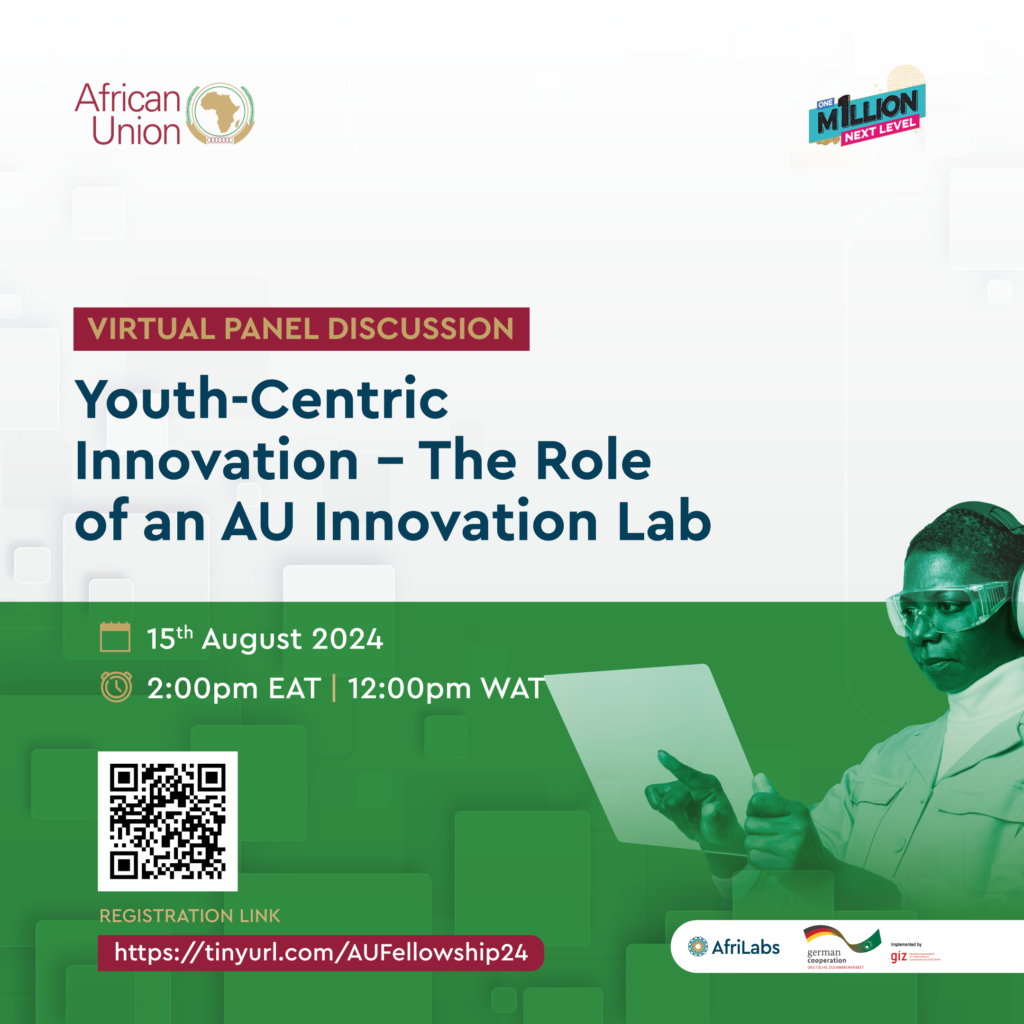
Unlocking Youth-Centric Innovation for Youth Empowerment: The Role of an AUC Innovation Lab Africa stands at the cusp of a transformative era, driven by the boundless potential of its youthful population and the burgeoning innovation ecosystem. As we look towards the future, the African Union Commission (AUC) is taking bold steps to harness this potential through the establishment of an AU Innovation Lab. Anchored in the 1 Million Next Level Initiative’s Youth-centric innovation principle, this initiative aims to propel the continent into a new age of technological advancement, sustainable development, and socio-economic growth. The AU Innovation Lab: A Vision for Africa’s Future Implemented by the AUC’s Women, Gender and Youth Directorate, and scheduled to be discussed in-depth during a virtual panel on 15th August 2024, the AU Innovation Lab represents a significant milestone in Africa’s journey towards self-reliance and global competitiveness. This virtual panel, themed “Youth-centric Innovation – the Role of an AU Innovation Lab,” will bring together a diverse group of young innovators, thought leaders, and stakeholders from across the continent to explore the Lab’s potential in shaping Africa’s innovation landscape. Empowering Africa’s Youth with 1 Million Next Level One of the key focuses of the AU Innovation Lab is youth empowerment and development, particularly through the “1 Million Next Level” initiative. This initiative is designed to provide opportunities for 300 million young Africans in areas such as education, employment, entrepreneurship, and engagement. Africa’s youth, who make up a significant portion of the continent’s population, are seen as the driving force behind its innovation and development. The Lab aims to provide these young minds with the tools, resources, and platforms they need to turn their ideas into impactful solutions. By fostering a culture of innovation and entrepreneurship, the AU Innovation Lab seeks to address some of the most pressing challenges faced by African societies, including unemployment, healthcare, education, and environmental sustainability. A Collaborative Approach The success of the AU Innovation Lab hinges on collaboration. By bringing together stakeholders from various sectors, including government, private industry, academia, and civil society, the Lab aims to create a holistic and inclusive innovation ecosystem. This collaborative approach will ensure that the solutions developed are not only innovative but also scalable and sustainable. The virtual panel discussion will highlight the importance of such partnerships and explore ways to strengthen them further. Aligning with the AU’s Agenda 2063 The establishment of the AU Innovation Lab aligns seamlessly with the African Union’s Agenda 2063 – a strategic framework for the socio-economic transformation of the continent over the next 50 years. Agenda 2063 envisions an integrated, prosperous, and peaceful Africa, driven by its own citizens and representing a dynamic force in the global arena. The Innovation Lab is a key component in achieving this vision, as it seeks to harness the power of technology and innovation to drive development across various sectors. Join the Conversation The upcoming virtual panel discussion promises to be a pivotal moment in Africa’s innovation journey. By participating, stakeholders will have the opportunity to share their insights, experiences, and aspirations for the AU Innovation Lab. The online event will not only shed light on the Lab’s objectives and strategies but also inspire a collective commitment to fostering a culture of innovation across the continent.We invite all innovators, entrepreneurs, policymakers, and enthusiasts to join us on 5th August 2024 for this groundbreaking event. Let us come together to unlock Africa’s potential and pave the way for a brighter, more innovative future. Register Now To be a part of this transformative conversation, register for the virtual panel discussion on “Youth-centric Innovation – the Role of an AU Innovation Lab” by clicking here. Together, we can shape the future of Africa through innovation and collaboration. Register Now!
AfriLabs Announces Track Leads and Champions for Annual Gathering 2024
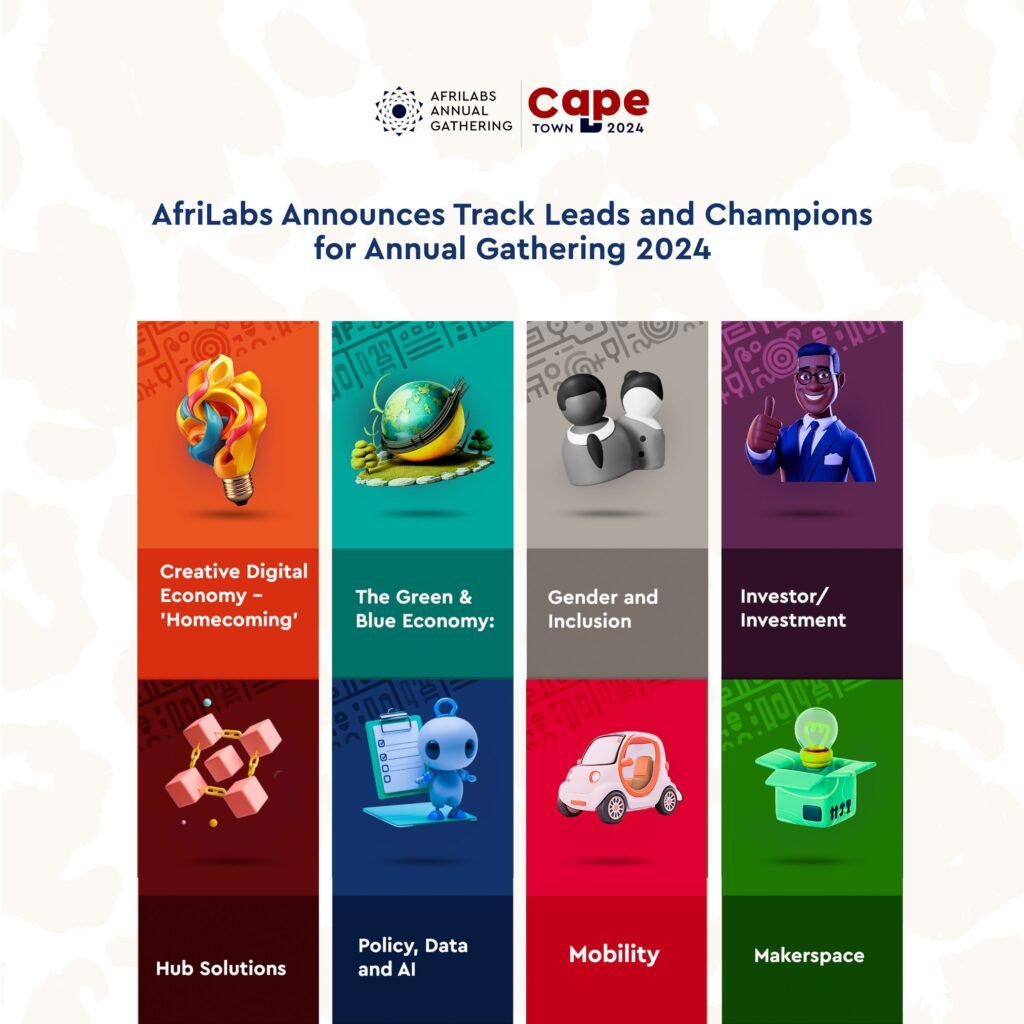
AfriLabs Announces Track Leads and Champions for Annual Gathering 2024 Abuja, Nigeria – 7th August 2024 – AfriLabs, the largest network organization of African technology and innovation hubs, is proud to announce the track leads and champions for the AfriLabs Annual Gathering (AAG) 2024. This year’s gathering, themed “Uniting Innovation,” will take place from November 6th to 8th at the Cape Town International Convention Center (CTICC), South Africa. The Annual Gathering aims to foster collaboration, knowledge exchange, and enhance transformative initiatives across Africa’s technological landscape. The event will feature a series of tracks focusing on key areas critical to the development and growth of Africa’s tech ecosystem. Track Leads and Champions AAG2024 track leads and champions are visionary leaders and hubs poised to redefine the African innovation and technology ecosystem. At the gathering, they will spearhead a series of impactful activities, including panel discussions, master classes, workshops, focus group discussions, training sessions, best practices showcases, and co-creation sessions, enriching the event with their expertise and foresight. They are supported by AfriLabs and the AAG2024 Host Hub, RLabs. The following individuals and hubs have been selected as track leads and champions for their exemplary contributions and leadership in the African tech and innovation sectors: The Green and Blue Economy Track: Led by OceanHub Africa from South Africa represented by Managing Director Herland Cerveaux. Supporting champions include; Sote Hub from Kenya, Mountain Hub from Cameroon, CUBE Zanzibar from Tanzania, Vertex Ecosystem, ALX Ventures, and SmartXChange. Gender and Inclusion Track: Led by WomHub from South Africa, represented by Calvin Board, Head of Spaces. Supporting champions include Eden Venture Group, Nigeria and Centre d’Innovation de Lubumbashi (CINOLU), DRC Congo. Investor/Investment Track: Guided by Fie_Labs Innovation Hub from Kenya. Supporting champions include Uplifting Youth and Social Development Aid Initiative (UYSDA) in Nigeria, Five35 Ventures from South Africa, Impacc Social Ventures from Kenya, and Big Geeks Egypt. Hub Solutions Track: Led by Christine Nicola Taphel, CEO of RLabs South Africa, and supported by TVC Labs in Nigeria, HiiL Justice from Kenya and Entrepreneurial Planning Institute from South Africa. Policy, Data, and AI Track: Led by the Programmes Department at AfriLabs. Championing the track are the National Information Technology Development Agency (NITDA) from Nigeria, TechQuest STEM from Nigeria, Ubulu Africa from Nigeria, and Sector B5 from Egypt. Creative Digital Economy Track: Guiding the track is Snake Nation from South Africa, supported by 360 Creative Hub from Nigeria, Industry Nite from Nigeria, and Maliyo from Nigeria. Mobility Track: Led by the Ministry of Mobility, South Africa, focusing on sustainable transportation solutions in Africa. Makerspace Track: Championing the track is the Africa Makerspace Network, promoting maker culture and innovation through hands-on learning and collaboration. The AfriLabs Annual Gathering 2024 promises to be a landmark event with insightful sessions, networking opportunities, and much more. Seize the chance to be part of this remarkable event. Register today at AfriLabs Annual Gathering and secure your tickets here. About AfriLabs AfriLabs is the largest network of technology and innovation hubs across Africa, driving the growth of Africa’s innovation ecosystem. With a mission to support the development of the African technology and innovation ecosystem, AfriLabs connects hubs and other stakeholders to facilitate collaboration, resource sharing, and knowledge transfer. Follow AfriLabs on social media at @afrilabs and visit our website, www.afrilabsgathering.com and www.afrilabs.com for updates on additional track leads and champions joining the AfriLabs Annual Gathering this year, along with other exciting developments. For media inquiries, please contact pr@afrilabs.com & comms@afrilabs.com
Celebrating from Clicks to Progress with the world’s digital-first youth population – Happy International Youth Day
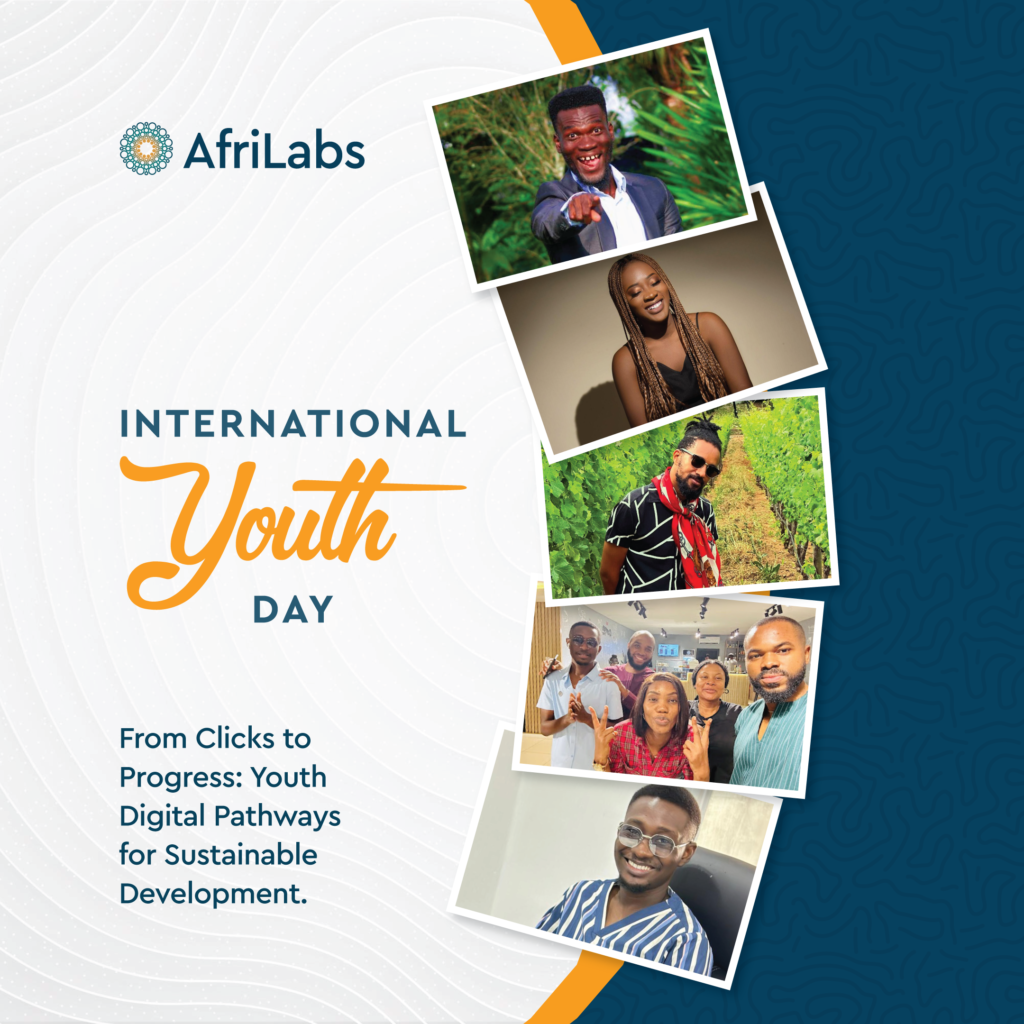
Celebrating from Clicks to Progress with the world’s digital-first youth population – Happy International Youth Day On this International Youth Day, AfriLabs is proud to amplify the voices of our dedicated team as they reflect on the theme “From Clicks to Progress.” Across Africa and the diaspora, young people are not just embracing the digital age—they’re redefining it. Through their energy, innovation, and commitment, they are turning online engagement into tangible progress that is transforming communities and industries. Our team members share their thoughts on the power of youth and how their work at AfriLabs aligns with this year’s theme, highlighting the pivotal role that digital connections and actions play in shaping a better future. Paul Chioba -Nigeria International Youth Day is a vibrant celebration of the incredible potential and contributions of young people worldwide, recognizing their energy, creativity, and passion in driving positive change. This year’s theme, “From Clicks to Greatness,” captures the essence of our digital age, where our connections form powerful networks of like-minded individuals who inspire us. In the people management team, we focus on enhancing productivity, engagement, and inclusion within digital teams, while cultivating a positive work culture to achieve our organization’s goals through the power of our clicks. Let’s harness our collective energy and creativity to turn our clicks into impactful actions. Youth Day represents a celebration of the energy, innovation, and potential of young people. It’s a day to acknowledge the challenges they face and to empower them to shape a better future.” The theme “From Clicks to Progress” resonates deeply with me because it highlights the journey from digital engagement to real-world impact. In my work and experience, this theme reflects the transition from online interactions like supporting and engaging communities to tangible outcomes, such as fostering collaboration, driving social impact, leadership and building sustainable initiatives that leads to meaningful progress. Miguel Nyamedi – Ivory Coast Miguel Nyamedi – Ivory Coast Youth Day represents a celebration of the energy, innovation, and potential of young people. It’s a day to acknowledge the challenges they face and to empower them to shape a better future.” The theme “From Clicks to Progress” resonates deeply with me because it highlights the journey from digital engagement to real-world impact. In my work and experience, this theme reflects the transition from online interactions like supporting and engaging communities to tangible outcomes, such as fostering collaboration, driving social impact, leadership and building sustainable initiatives that leads to meaningful progress. Ruth M’kala – Zambia To me, Youth Day is a reminder and a moment of reflection on what ‘Clicks’ (decisions and actions) I’m making today that will will ‘Progress” not only my future, but the future of the world. As the saying goes, “Young people are the leaders of tomorrow.” This day prompts me to consider how I’m branding and positioning myself to become the leader that tomorrow both needs and deserves. I have intentionally chosen to align myself with AfriLabs because, who better to partner with in building the Africa we aspire to than a Pan-African organization committed to that very vision? Youth to me is more so a state of mind than a slice in time. It is the disposition to colour outside of the lines, and to stump on puddles even if you’re wearing a suit. I guess it’s about allowing your imagination space to play, and I couldn’t imagine any other way to be. For me, from Click to Progress represents a change of power from the pen to the computer. If books like the Eastern sutras and Plato’s Dialogue defined the first age of knowledge, then the next will be defined by the aggregate of all our daily clicks. So far, I think it’s clicking in the right direction. William Moore -Nigeria William Moore -Nigeria Youth to me is more so a state of mind than a slice in time. It is the disposition to colour outside of the lines, and to stump on puddles even if you’re wearing a suit. I guess it’s about allowing your imagination space to play, and I couldn’t imagine any other way to be. For me, from Click to Progress represents a change of power from the pen to the computer. If books like the Eastern sutras and Plato’s Dialogue defined the first age of knowledge, then the next will be defined by the aggregate of all our daily clicks. So far, I think it’s clicking in the right direction. Kolawole Oladejo – Nigeria As vital contributors to the world’s future, we bear immense significance. The well-being of current and upcoming generations rests upon us. Embracing digital technologies has positively influenced my work, enhancing productivity and effectiveness. The theme deeply resonates with my role at AfriLabs, where we drive innovation across Africa’s tech and innovation ecosystem, impacting millions of youth through programs focused on climate change (such as the “climate adaptation and innovations” that supports startups in expanding their footprint on the continent), the green economy, fellowships, and internships, etc. Our commitment remains steadfast, and I hope this celebration inspires young people to embrace leadership and take ownership across all sectors and regions. Celebrating the international Youth day “from clicks to progress” . Recognizing Our Potential As young people, we’re often dismissed or overlooked. But International Youth Day is a reminder that we have so much to offer. We’re innovative, passionate, and ready to make a difference. On this day celebrates our boundless potential and encourages us to keep striving to make a real impact in our world today. My reflection on the theme, click to progress. Think about it- every time we click “submit’’ or “post”, we’re not making a personal choice, but contributing to the ever- evolving tapestry of human innovation and achievement. From the entrepreneur launching a new business venture to the student exploring educational resources, the power of click is universal, bridging the gap between our ambitions and their realization. Isaac Belombo – Cameroon Isaac Belombo – Cameroon Celebrating the international
The Green and Blue Economy in Africa: Navigating the Path to Sustainable Industrialization

The Green and Blue Economy in Africa: Navigating the Path to Sustainable Industrialization The Dual Challenge: Clean Energy Transition vs. Industrialization Africa stands at a crucial juncture in its development trajectory, grappling with the dual challenge of transitioning to clean energy to mitigate environmental impacts while simultaneously ramping up energy production to fuel much-needed industrialization. This tension arises from the continent’s pressing need for economic growth and development, which requires reliable and affordable energy, juxtaposed with the global imperative to combat climate change by reducing greenhouse gas emissions. Contribution to Global Emissions Historically and currently, Africa’s contribution to global greenhouse gas emissions has been minimal. Despite accounting for approximately 17% of the world’s population, the continent contributes less than 5% of global emissions. This is in stark contrast to major industrialized nations, which have historically been the largest emitters and continue to dominate current emissions levels. However, Africa’s role as a major oil producer complicates this narrative. Countries like Nigeria, Angola, and Algeria are key players in the global oil market, generating significant revenue from fossil fuel exports. This reliance on fossil fuels creates a dilemma: while Africa’s per capita emissions are low, its economic dependence on fossil fuels poses challenges for transitioning to greener alternatives. The Cost of Transitioning to Green Energy Transitioning to a green and blue economy is an expensive proposition, particularly for African countries. The technologies required for this transition, such as nuclear plants, windmills, and solar panels, are predominantly produced in post-industrial economies. The cost of importing these technologies, combined with the infrastructure investments needed, presents a significant financial burden. Moreover, many African nations face fiscal constraints, limiting their capacity to invest in new technologies and infrastructure without jeopardizing other critical areas like healthcare, education, and poverty alleviation. Africa’s Responsibility and Global Support There is a growing discourse on the responsibilities of different regions in addressing climate change. Given Africa’s minimal historical contribution to global emissions, many argue that the continent should not bear the same burden as more industrialized regions in reducing emissions. Instead, there is a call for a more equitable global strategy that acknowledges the different levels of responsibility and capacity. One proposed solution is for wealthier nations to financially support Africa’s transition to green energy. This could involve direct investment in renewable energy projects, technology transfer, and capacity-building initiatives. Another innovative idea is the concept of “buying out” Africa’s fossil fuel reserves. This would involve wealthier countries purchasing these reserves to keep them untapped, effectively compensating African nations for the lost revenue while encouraging a shift towards greener alternatives. A Call for a Global Strategy To ensure Africa can industrialize without sacrificing environmental sustainability, a comprehensive global strategy is essential. Such a strategy should include: 1. Financial Support: Developed countries should provide financial assistance to help African nations invest in green technologies and infrastructure. This could be through grants, concessional loans, or other financial instruments that reduce the burden on African economies. 2. Technology Transfer: There should be increased efforts to transfer green technologies to Africa. This includes not only the hardware but also the knowledge and expertise needed to implement and maintain these technologies. 3. Capacity Building: Developing local expertise in renewable energy and sustainable practices is crucial. This can be achieved through education, training, and partnerships with global institutions. 4. Policy and Regulatory Frameworks: Supporting the development of robust policy and regulatory frameworks in African countries can encourage private sector investment in green projects and ensure that these initiatives are sustainable and effective. 5. Debt Relief and Restructuring: For heavily indebted African countries, debt relief or restructuring could free up resources for investment in green and sustainable development. Conclusion Africa’s journey towards a green and blue economy must be supported by a global partnership that recognizes the unique challenges and opportunities the continent faces. By working together, the international community can help Africa industrialize sustainably, ensuring that economic growth does not come at the expense of environmental health. This approach not only benefits Africa but the entire planet, as we collectively strive to combat climate change and create a more sustainable future.
Uniting Innovation: The Future of Africa’s Tech Landscape
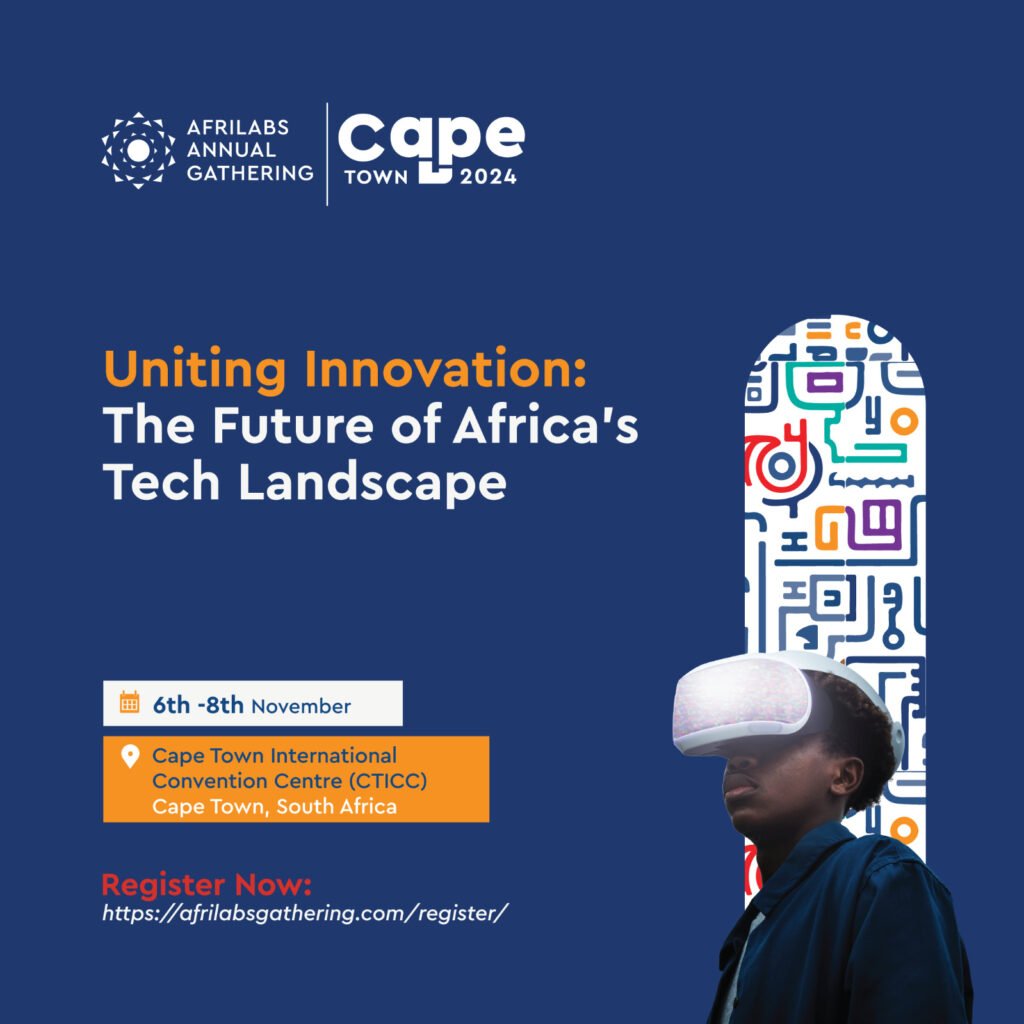
Uniting Innovation: The Future of Africa’s Tech Landscape As Africa’s tech ecosystem continues to evolve, the need for unity and collaboration has never been more pressing. The AfriLabs Annual Gathering 2024, which will take place from November 5th to 8th, 2024, under the theme “Uniting Innovation,” promises to bring together innovators, policymakers, and industry experts to shape the future of Africa’s tech landscape. According to a joint report by Google and the International Finance Corporation titled “e-Conomy Africa 2020”, the internet economy in Africa is projected to reach $180 billion by 2025, accounting for 5.2% of the continent’s GDP. This growth is driven by increased internet access, urbanization trends, and a vibrant startup ecosystem (IFC). At this year’s AfriLabs Annual Gathering (AAG), AI emerges as a pivotal theme. AI has the potential to dramatically enhance these projections. McKinsey & Company estimates that AI could boost Africa’s GDP by up to $1.2 trillion by 2030. Already, AI applications in healthcare, finance, and other sectors are demonstrating significant impacts, from improving diagnostic accuracy to enhancing financial inclusion. Discussions at AAG 2024 will focus on strategies to harness AI’s transformative power, aiming to accelerate economic growth and foster sustainable development across the continent (McKinsey & Company). Another critical track is sustainability, a theme that resonates deeply in Africa, where the impact of climate change is already being felt. Innovators and policymakers will come together to discuss how technology can be used to drive sustainable development and build resilient economies. For instance, renewable energy sources like solar and wind power have the potential to reduce carbon emissions by up to 70% in Africa, according to the United Nations. The future of work is another area of focus, as Africa grapples with the challenges of unemployment and skills development. The conversation at AfriLabs will center around how innovation and technology can create new opportunities for employment and entrepreneurship. The African Development Bank estimates that digital technology could create up to 230 million jobs in Africa by 2030, with a significant portion of the workforce engaged in the gig economy (Global Institute). Healthtech, fintech, and edtech are also on the agenda, as Africa’s innovators showcase solutions that are revolutionizing healthcare, finance, and education. For example, mobile health (mHealth) solutions have improved healthcare outcomes in Africa, with a study by the World Health Organization showing that mHealth interventions have increased vaccination rates by up to 20% in some countries. Beyond technology, the AfriLabs Annual Gathering emphasizes unity and collaboration. It seeks to unite diverse perspectives to drive innovation and sustainable development in Africa’s evolving tech ecosystem. Join us at the AfriLabs Annual Gathering 2024 and be part of the conversation that will shape the future of Africa’s tech landscape.
The Imperative of AI Infrastructure Investment for Africa’s Digital Future
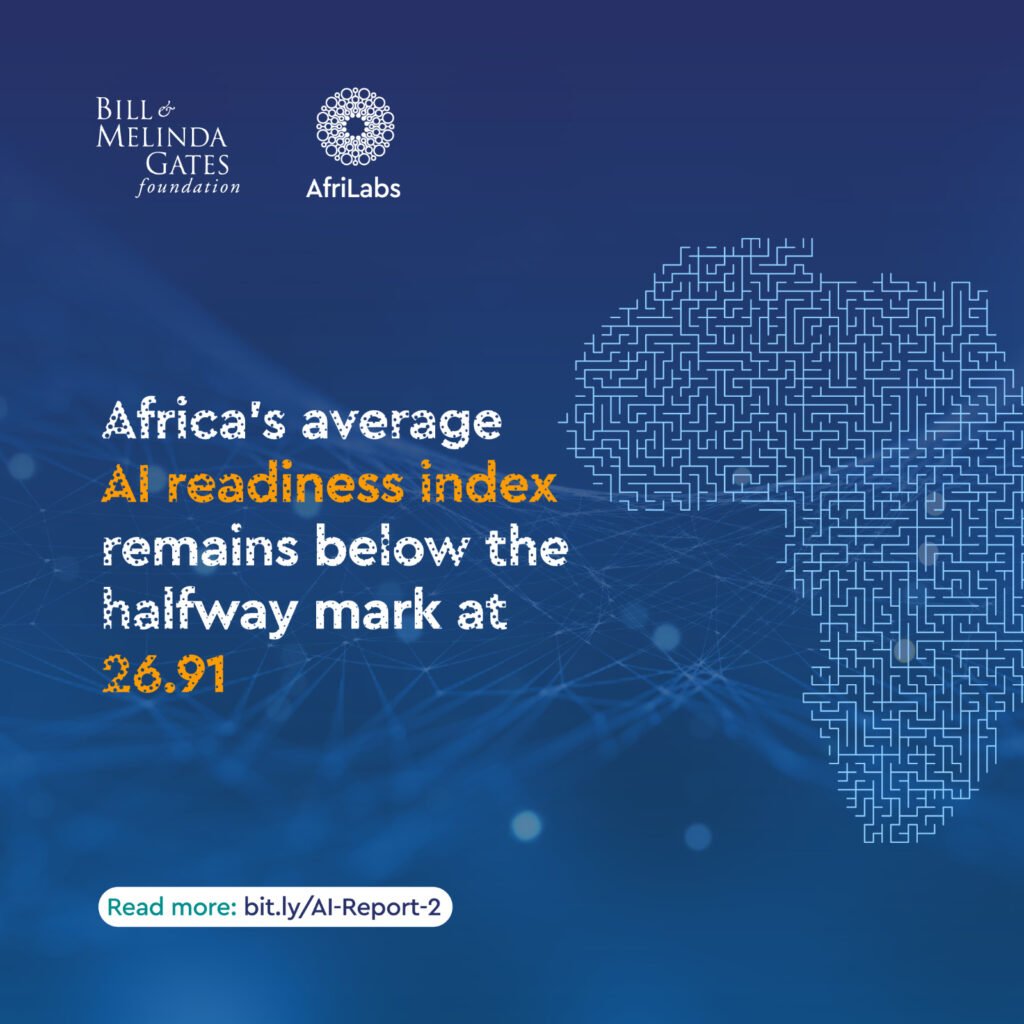
The Imperative of AI Infrastructure Investment for Africa’s Digital Future As we approach a new era powered by artificial intelligence (AI), the need for strong internet infrastructure in Africa has never been more important. The AI Startups Mapping in Africa report by AfriLabs, funded by the Gates Foundation provides a sobering but positive assessment of the continent’s AI readiness, with an average index of 26.91. This figure, which is far below the halfway point, emphasizes the vital need for further efforts and expenditures to boost AI activity across the continent. Bridging the AI Readiness Gap Despite Egypt, Kenya, South Africa, and Tunisia leading with index values above 40, none have achieved 50. This suggests that even the most advanced African countries are still in the early phases of AI development. Without substantial improvements in digital infrastructure, Africa risks falling further behind in the global AI race. The surge in AI applications necessitates an increase in high-performance computing (HPC) capabilities, such as GPUs and TPUs. These components are essential for developing and deploying complex AI models that rely on massive datasets and intricate computations. Over the past decade, global investments in digital infrastructure have soared, driven by factors like smartphone penetration and the rise of cloud computing. However, Africa must ramp up these investments to meet the evolving demands of AI. The Role of Digital Infrastructure Effective AI infrastructure is multifaceted, encompassing hardware and software elements that provide a broad range of capabilities. From data storage and cloud computing to robust communication networks and secure power connections, each component is crucial for unlocking AI’s full potential. For Africa, building this infrastructure is not just about technology; it’s about creating a foundation for innovation and socioeconomic development. Several initiatives are already underway, African countries are adopting digital strategies aimed at fostering an environment conducive to digitalization. Tech giants such as Amazon, Google, and Microsoft are investing in African data centers, rapidly expanding the continent’s hosting capacity. For instance, the establishment of the Tanzania National Internet Data Center (NIDC) exemplifies how government and private sector collaboration can enhance AI capabilities. By providing scalable storage and AI services, the NIDC is helping Tanzanian entities to leverage AI without the need to develop services from scratch. Specialization in AI Subfields African AI startups are showing remarkable focus in various AI subfields, which is crucial for addressing the continent’s unique challenges. The report highlights that 30% of AI startups in Africa specialize in Machine Learning, followed by Deep Learning (17%), Natural Language Processing (15%), Computer Vision (12%), Generative AI (10%), Reinforcement Learning (9%), and Robotics (7%). This specialization is pivotal for driving innovation in sectors like healthcare, finance, and agriculture, where AI can significantly improve outcomes. However, the growth in AI subfields also brings to light the urgent need for better infrastructure. As AI algorithms become more complex, the demand for computational power increases. Without the necessary digital backbone, these startups may struggle to scale their solutions and achieve their full potential. The Path Forward Africa’s digital infrastructure development requires a concerted effort to enhance digital infrastructure. This means investing in state-of-the-art data centers, expanding cloud computing capabilities, and ensuring reliable and fast communication networks. For instance, Tanzania’s licensing of public data centers from the private sector reflects a positive trend, but it must be scaled up to meet the high computing demands brought by AI. Governments across Africa must prioritize creating a safe and secure foundation for AI development. This involves not only building the physical infrastructure but also implementing policies that promote innovation, protect data privacy, and ensure cybersecurity. By doing so, Africa can create an ecosystem where AI can thrive, driving socioeconomic development and positioning the continent as a significant player in the global AI landscape. The future of AI in Africa holds immense promise, but realizing this potential hinges on the continent’s ability to build and sustain robust digital infrastructure. The AI Startups Mapping in Africa report serves as a clarion call for action. By addressing the current gaps and investing strategically in AI infrastructure, Africa can unlock unparalleled opportunities for innovation and development, ensuring that it does not just participate in the AI revolution but leads it. In the words of many experts, the time to act is now. The benefits of AI are too significant to be overlooked, and the costs of inaction are too high. Africa’s digital future depends on the steps we take today to build a foundation that can support the technologies of tomorrow. 📖 Read more in our report: bit.ly/AI-Report-2
Gender Diversity and Equity as Catalysts for Africa’s Digital Renaissance
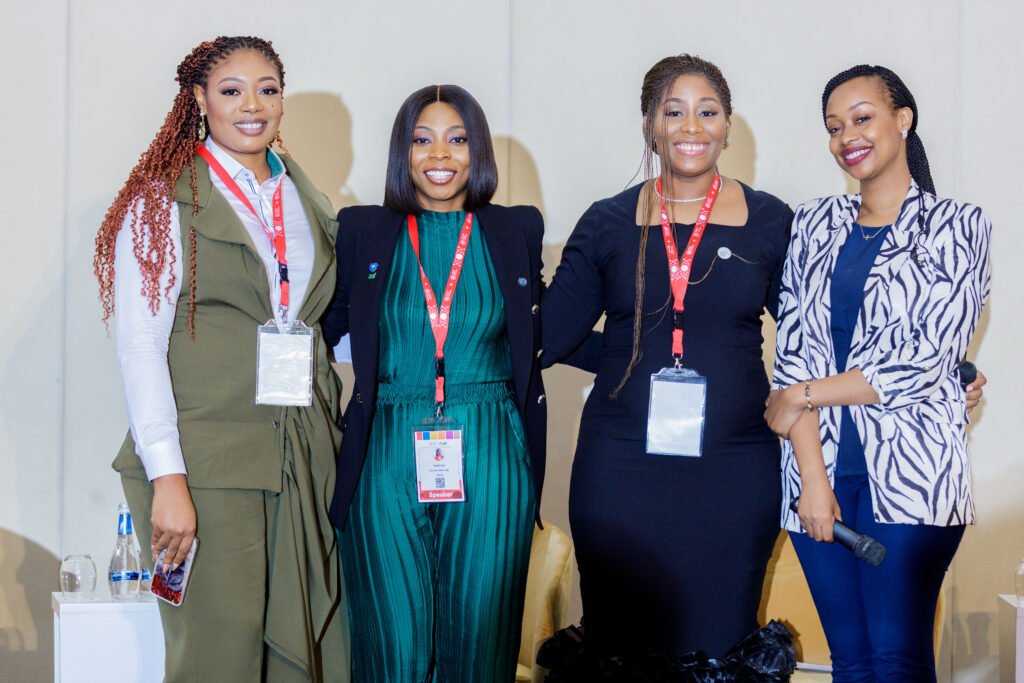
Gender Diversity and Equity as Catalysts for Africa’s Digital Renaissance An unstoppable revolution is currently taking place in the thriving African innovation and technology scene. Women’s voices are resonating as crucial strokes in the construction of an inclusive future characterized by equality and diversity. The AfriLabs Annual Gathering 2023 evolved into something much more than a standard conference—it was a dynamic conversation that went beyond the realm of tech talks. Between October 11 and 13, Kigali evolved from a place to a symbol pointing the way towards an inclusive and empowered digital future for the whole African continent. Gender diversity and equality emerge not just as goals but also as the driving force behind a transformative wave sweeping across innovation hubs and tech landscapes. One of the standout voices at the AfriLabs Annual Gathering 2023 was Sonnia Agu, CEO of SA Consulting, Nigeria. In a powerful statement, she emphasized the pivotal role of women in shaping policies that drive real change. “When coming up with a policy, it’s important that women are included in the conversations and understand them, so that definite actions are taken to address the needs of women,” asserted Sonnia Agu. Her words echoed the sentiment that true progress can only be achieved when the perspectives and experiences of women are not just acknowledged but actively integrated into the decision-making process. Fifehan Osikanlu, the Nigerian founder of Eden Venture Group, offered a distinctive viewpoint by emphasizing women as instruments for economic growth. “The importance of having the conversations is that women have been known across the globe as culture keepers; why not leverage that for economic growth?” she said. Her words resonated with the notion that gender diversity is a calculated step towards utilizing a range of skills for the general growth of economies, not merely an issue of equality. Chief Growth and Operations at Power to Learn Project, Kenya, Mumbi Ndung’u, highlighted the importance of intentionality in creating value and focused attention on women’s education. “We need to be more intentional in creating value for women in education,” Mumbi stated. Her words stressed how critical it is to remove obstacles preventing women from fully participating in society by providing them with the information and skills needed to prosper in the digital era. The meeting provided a forum for talking about the structural obstacles to gender diversity and equity and, more significantly, for coming up with solutions. In the context of Africa’s digital transformation, women’s roles are not only crucial, but also indispensable. The recognition of women as major drivers of cultural change, economic advancement, and the transformational potential of education heralded a paradigm shift in the way the tech and entrepreneurship sectors view and include women. Join Us for the AfriLabs Annual Gathering 2024 in Cape Town The AfriLabs Annual Gathering 2023 was a testament to the fact that the future of Africa’s digital economy isn’t just about technological advancements; it’s about harnessing the full spectrum of talent, irrespective of gender. The conversations sparked in Kigali were not just dialogues; they were seeds sown for a future where every woman’s potential is unleashed, driving Africa’s digital renaissance. These conversations are more than words; they are catalysts for a transformative journey towards a more inclusive and equitable future for all. As we eagerly anticipate the AfriLabs Annual Gathering 2024, the Gender and Inclusion track promises to be a highlight. This track will delve deeper into how gender diversity fuels innovation and economic growth across the continent. Don’t miss the chance to be part of this groundbreaking event. Register now and join us in celebrating and advancing gender diversity and equity: https://afrilabsgathering.com/ be a catalyst for change!
Empowering Tomorrow: Unleashing Africa’s Technological Renaissance Through Government Leadership
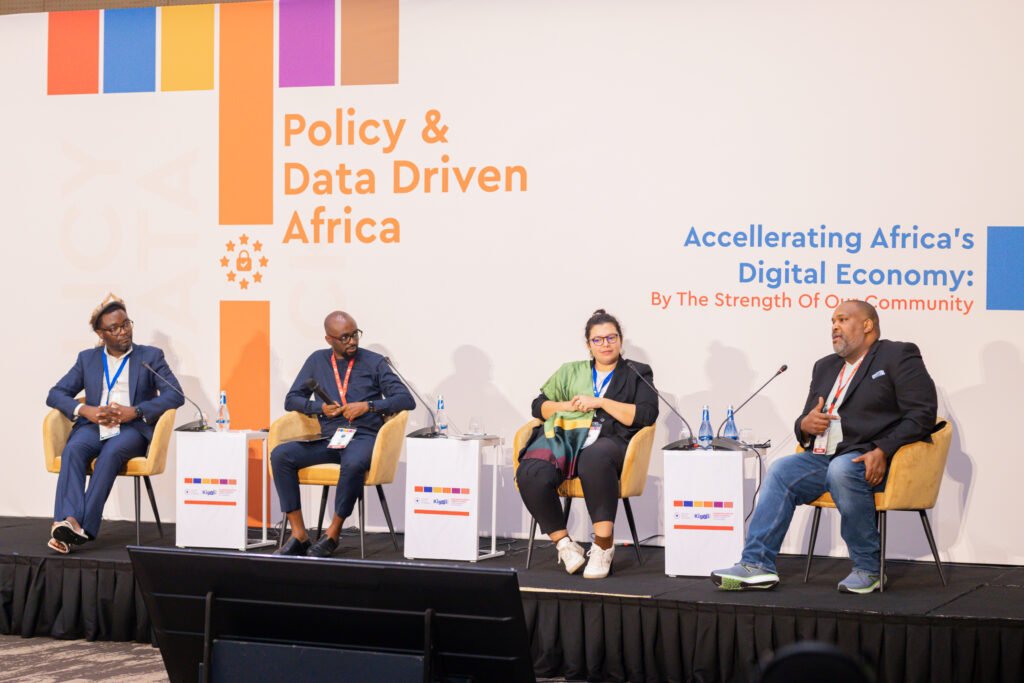
Empowering Tomorrow: Unleashing Africa’s Technological Renaissance Through Government Leadership Government strategies and policy initiatives are what propels emerging transformation as the continent embraces the boundless opportunities presented by the digital era. In addition to honoring the spirit of innovation and entrepreneurship, last year’s AfriLabs Annual Gathering event, which took place in the center of Kigali, Rwanda, from October 11–13, highlighted the critical role governments play in propelling the digital economy of the continent. Key stakeholders, including Rwanda’s Minister of Information and Communications Technology, Hon. Paula Ingabire, set the stage with a resounding endorsement of the event. Her commitment to supporting scalable startups underscored Rwanda’s proactive stance in leveraging cutting-edge ideas for community-wide benefits. Hon. Ingabire’s remarks resonated not only within Rwanda but also across Africa, highlighting the pivotal role of governmental backing in nurturing innovation ecosystems. The gathering featured a compelling fireside chat with Yves Iradukunda, Permanent Secretary of Rwanda’s Ministry of ICT, who articulated Rwanda’s strides in building a robust digital economy. His keynote speech underscored the transformative impact of technology on economic sectors, illustrating how Rwanda’s approach serves as a blueprint for other African nations. Further strengthening the dialogue was Hon. Benjamin Kalu, Deputy Speaker House of Representatives, Nigeria, who emphasized the crucial role of government policies in unlocking Africa’s innovation potential. His advocacy for supportive governmental frameworks echoed throughout the event, reinforcing the message that proactive policies are essential for fostering digital innovation across the continent. Collectively, these leaders conveyed a powerful message: Africa’s technological and innovation landscape thrives when governments collaborate closely with tech communities and innovation hubs. Their shared vision for an inclusive digital future highlighted the immense opportunities that await when governments prioritize supportive policies and initiatives. Join Us for the AfriLabs Annual Gathering 2024 in Cape Town Looking ahead, the anticipation for the AfriLabs Annual Gathering 2024 is palpable. Building on the momentum of 2023, the upcoming event promises even deeper insights and impactful discussions. Under the theme “Uniting Innovation,” the 2024 gathering will delve into critical issues at the intersection of policy, data, and AI in Africa. Don’t miss out on this opportunity to be part of shaping Africa’s future. Register now for the AfriLabs Annual Gathering 2024 and join global leaders, innovators, and policymakers in charting a path towards sustainable growth and innovation across the continent. Together, let’s unlock Africa’s potential and empower tomorrow’s leaders in technology and innovation. Register here: https://afrilabsgathering.com/ to secure your place, let’s make history together at the AfriLabs Annual Gathering 2024.
Fostering African Innovation: AfriLabs Annual Gathering 2023 Sparks High-Level Dialogue in Kigali
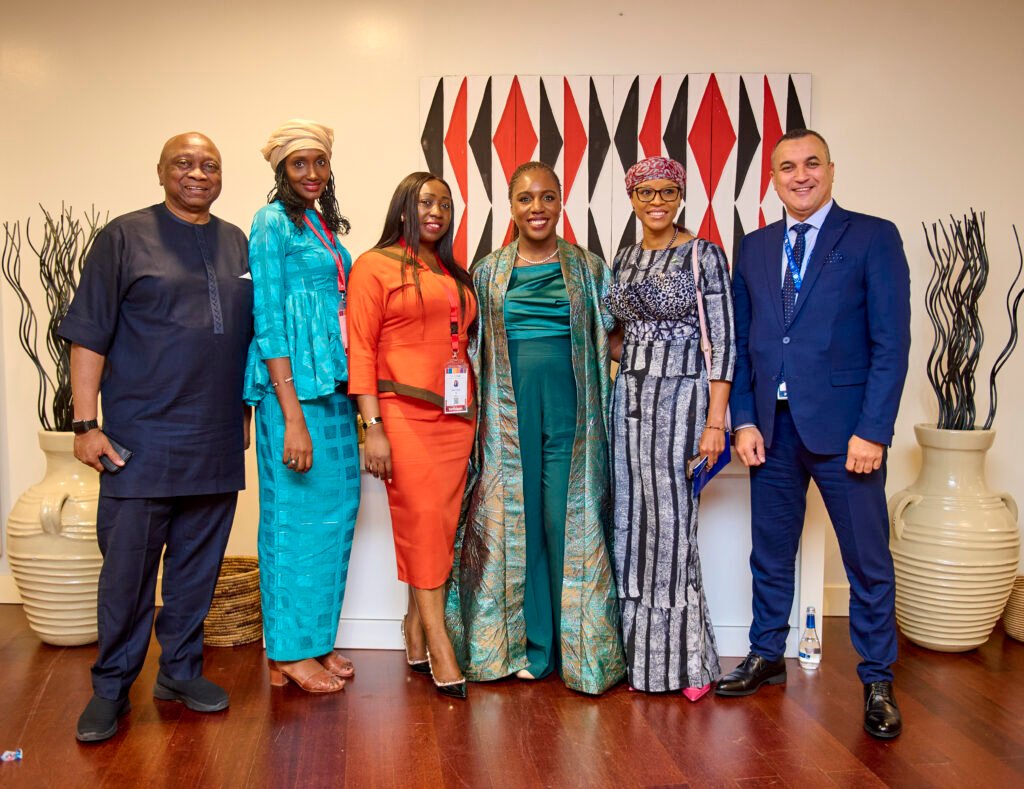
Fostering African Innovation: AfriLabs Annual Gathering 2023 Sparks High-Level Dialogue in Kigali Last year, AfriLabs hosted its Annual Gathering in the city of Kigali, Rwanda, from October 11th to 13th. At the heart of this landmark event was a high-level dialogue that united influential figures from across the continent to tackle the pressing policy challenges faced by African technology and creative startups. The dialogue, masterfully facilitated by Stephanie Busari, CNN Correspondent and Editor, brought together a distinguished panel of speakers who shared valuable insights into the evolving landscape of African innovation. Among the notable attendees was Esther Kunda, Director General of Innovation & Emerging Technologies in Rwanda, representing Honourable Paula Ingabire, Minister of ICT and Innovation. Rebecca Enonchong, Founder and CEO of AppsTech and Co-Founder of I/0 Spaces, a prominent AfriLabs Trustee from the USA/Cameroon was also in attendance. The lineup featured Anna Ekeledo, Executive Director of AfriLabs; Tamer Taha, Advisor to the Minister representing Dr. Raina Al-Mashat, Minister of International Cooperation of Egypt; and other key personalities shaping Africa’s tech and innovation ecosystem. The dialogue resonated with the passion and commitment of these individuals, all dedicated to propelling Africa into a new era of technological and creative excellence. The dialogue delved deeply into the challenges of accessing capital for startups, with Tomi Davies, Founding President of the African Business Angel Network (ABAN), emphasizing the importance of local investors. “Supporting local investors is crucial to de-risking startup investment in Africa. Government funds should follow, not lead, risk-prone investments,” he asserted. This sentiment underscored the necessity of fostering a supportive financial environment to spur entrepreneurial growth. Rebecca Enonchong highlighted the power of collaboration, stating, “This stakeholder forum is not in vain. Together, we’ve built solutions to challenges faced by startups in Africa.” She pointed to Catalytic Africa, a matching fund by ABAN and AfriLabs, as a prime example of initiatives aimed at strengthening African startups and angel investors. Her words underscored the transformative potential of unified efforts across the continent. Tamer Taha, representing Egypt’s commitment to innovation, assured stakeholders of the nation’s dedication to co-create solutions for startups. He announced the creation of a fund of funds, inviting innovative ideas on leveraging these funds for sustainable economic growth. This announcement marked a significant step towards mobilizing resources and fostering a thriving startup ecosystem. Tracy Okoro, State Adoption Lead of the Nigeria Startup Act, emphasized AfriLabs’ unique role as an aggregator. “AfriLabs has built solid partnerships and networks across Africa. With the Aggregator program, countries will collaborate through AfriLabs to distill solutions and solve challenges,” she explained. This role positions AfriLabs as a crucial connector and facilitator in the African innovation landscape. The high-level dialogue at AfriLabs Annual Gathering 2023 was not just a discussion—it was a commitment. A commitment to collaboratively navigate the challenges faced by startups, create innovative solutions, and solidify Africa’s position in the global tech and innovation landscape. As the dialogue concluded, the air was thick with determination, setting the stage for a future where Africa’s startups thrive and innovation knows no bounds. Join Us for the AfriLabs Annual Gathering 2024 in Cape Town Building on the momentum from Kigali, we are excited to announce the AfriLabs Annual Gathering 2024, taking place from November 5th to 8th in the beautiful city of Cape Town, South Africa. This event promises to be another pivotal moment in fostering collaboration, innovation, and growth across the continent. Be part of this transformative journey and join us in continuing to shape the future of African innovation. Register now and be a catalyst for change in the continent’s burgeoning tech ecosystem: https://afrilabsgathering.com/
AI Policy: An African and Global Emergency (Opinion)

AI Policy: An African and Global Emergency (Opinion) Since Edward Bernays, nephew to Sigmund Freud, applied his influential uncle’s work to branding and advertising, the field of propaganda has never been the same. You might not know who this man is; you might have never even heard his name – but you are aware of the term Public Relations. This phrase was coined by none other than Edward because when he wanted to brand his establishment that focused on swaying public opinion, propaganda sounded like a dirty word. A small change in vocabulary, right? Nothing that we need to pay close attention to. But by the turn of the century, Edward and his team of psychologists had figured out how to introduce women to smoking publicly, kick-started the notion of ready-made home meals with the formula pancake, got Americans excited about a war in the midst of the Great Depression, and most impressively, if you ask me – got the American public to like the rather bland passing head of state that was President Coolidge. This was done by organizing the first White House celebrity gathering, a practice that lives on to this day in American politics. Today, propaganda has moved on from the newspapers and occasional appearances on television to live in our pockets, waiting for the moment when we open our phones. And unlike the propaganda of old, which had to cast a wide net to catch its fish, now we have data to pinpoint habits and behaviors. Tailor-made propaganda, just for you. Tales of influenced elections and outright warmongering by companies like Cambridge Analytica are now popular media legends, and even Netflix has a whole documentary on how users are influenced by social media “suggestions”. Still, we have not moved for stronger regulation because in all of this, one could argue that we are still dealing in the realm of disinformation and misinformation. We are yet to cross the line into the space of outright illusion. This is about to change. No, this has already changed. First Celebrity Breakfast at the White House organized to improve public perception of President Coolidge. If you are a millennial with any interest in rap music, perhaps you might have heard about the clash of modern legends in what some are calling the Battle of the Big 3. While I am a fan of the culture myself with Kendrick Lamar as my champion, the influence of AI in this ongoing “beef” has rattled me in ways I had not anticipated. To start with, when Drake dropped his record in response to the who-is-number-one in the Big 3 debate, everyone paused to wonder if it was really Drake or if it was an AI fake. Thankfully, the artist was quick to come forward and claim the song. Great. About two weeks later, we heard two responses from Kendrick Lamar, and again the first reaction was to speculate if they were AI fakes or real. We aren’t talking about basic speeches here. We are talking about intricate rap flows with voice inflections and complex rhyme schemes. I have been listening to Kendrick Lamar’s music for over a decade, and I could not tell if I was listening to him or a computer-generated version. After much speculation, the sound engineer responsible for this AI fake came forward to tell the world he was behind it. Kendrick Lamar – Owl Hunting – Response To Drake’s Push Ups (Drop & Give Me 50 Diss) Loza Alexander Sample of AI assisted music featuring voice, tone, and inflection cloning This is all fun and games with entertainment where the risk of impersonation can be countered by the real artist accepting or denying the content, but what happens when it becomes a political tool? What happens when perfect clones of an opponent’s voice are used to spark tribalist sentiments in an African election? When such recordings are forwarded in siloed WhatsApp groups through populations lacking the skills to even conduct proper research for authentication? And unlike old-school propaganda where specific skills like graphic design and copywriting were required, the simplicity of AI prompting and its ability to learn and refine hyper-charges just how dangerous this technology can be if not properly safeguarded against misuse. The detonation of the first atomic bomb in Hiroshima marking the beginning of the nuclear age and pushing the doomsday clock closest to midnight It is understandable that the human psyche is prone to catastrophizing. It wouldn’t be the first time we thought technologies would end the world as we knew it, only for us to realize the biggest danger of the computer age is back problems from bad posture. A far cry from the predictions of the Matrix or the Terminator films where we ended up in complete machine tyranny. Thanks to the man versus machine trope popular in dystopian novels and the movies that followed, the average person is prone to thinking of the dangers of artificial intelligence as that of Us versus It. However, on closer inspection, like the atomic bomb and every other destructive form of technology that we have invented, the human behind the operation has always been the real threat. To better understand the immediate dangers of this technology on the African continent, we must start framing it within the context of use in our culture and environment. Can you even begin to imagine the level of sophistication to expect from the proverbial African Prince when he gets his hand on AI with AGI? The political mudslinging we are soon to be witnessing when parties clash? With what is at stake, Africa cannot simply wait for the rest of the world to design a regulatory structure for us to follow. The time is now to start formulating what will constitute Africa’s position on AI-related technologies. Who is liable when AI errors result in deaths? How do we protect African artists from AI piracy? What are the regulatory tests required for