
AfriLabs Partners with Bird to Amplify Stories of Women’s Health and Empowerment Across Six African Nations
AfriLabs Partners with Bird to Amplify Stories of Women’s Health and Empowerment Across Six African Nations Abuja, Nigeria – AfriLabs, the largest pan-African network of innovation and technology hubs, is excited to announce its strategic partnership with Bird, Africa No Filter’s storytelling agency. This collaboration aims to spotlight inspiring stories from AfriLabs’ network of hubs across Kenya, Nigeria, Senegal, Ethiopia, Côte d’Ivoire, and Rwanda that are dedicated to advancing women’s health and empowerment. Through this partnership, AfriLabs and Bird will co-create and disseminate narratives that highlight the transformative impact of innovation, entrepreneurship, and technology on women’s lives across these six focus countries. By sharing these stories, the partnership seeks to challenge stereotypes, celebrate local solutions, and amplify the voices of women change-makers in Africa’s innovation ecosystem. Women’s health and empowerment are critical pillars for sustainable development, and the innovation hubs in AfriLabs’ network are at the forefront of driving change. This partnership with Bird provides an opportunity to bring their efforts to the global stage, showcasing the creativity, resilience, and impact of African entrepreneurs and innovators. “We believe storytelling is a powerful tool for change,” said Millie Abila, Communications Lead at AfriLabs. “By partnering with Bird Story Agency, we aim to document and share the journeys of women and organizations in our hubs who are making significant strides in improving health outcomes and empowering communities.” “We at Bird Story Agency are thrilled to partner with an organization at the heart of Africa’s creative and startup ecosystem. This collaboration opens the door to powerful, untold stories that highlight the impact of investing in and empowering women—stories that deserve the spotlight for a young, dynamic, and influential African audience.” said Mudzithe Phiri, COO & Head of Partnerships Africa Insight & bird story agency. Bird, known for its authentic and compelling storytelling, will work closely with AfriLabs to ensure that the stories of these hubs and their impact are captured and shared widely. From health-tech innovations to grassroots empowerment programs, these stories will illustrate how local solutions are addressing global challenges. The focus countries – Kenya, Nigeria, Senegal, Ethiopia, Côte d’Ivoire, and Rwanda – are home to some of the most dynamic hubs in AfriLabs’ network. Each hub is uniquely positioned to tackle pressing issues related to women’s health and empowerment, leveraging technology and innovation to create lasting change. About AfriLabs AfriLabs is a network organization supporting innovation hubs across Africa. With over 500 hubs in 53 African countries, AfriLabs fosters collaboration, innovation, and entrepreneurship to drive sustainable development and economic growth on the continent. About Bird Bird is Africa No Filter’s storytelling agency, dedicated to reshaping narratives about Africa by highlighting authentic and underreported stories. Bird works with writers, photographers, and content creators across the continent to share stories that inspire and inform. For more information, visit [www.bird.africanofilter.org ]. For more information about AfriLabs, visit www.afrilabs.com. For media inquiries, please contact pr@afrilabs.com & comms@afrilabs.com
CALL FOR APPLICATIONS: JOIN THE TIMBUKTOO MINETECH ACCELERATOR PROGRAMME
CALL FOR APPLICATIONS: JOIN THE TIMBUKTOO MINETECH ACCELERATOR PROGRAMME 9th JANUARY 2025, ZAMBIA — The United Nations Development Programme (UNDP), in partnership with the timbuktoo Africa Innovation Foundation, and National Institute for Scientific and Industrial Research (NISIR) are excited to announce the timbuktoo MineTech Accelerator Programme, a transformative initiative of the timbuktoo MineTech Hub designed to drive innovation in mining technology, empower start-ups, and scale transformative technologies in the African mining sector. The timbuktoo MineTech Hub is a first of its kind on the African Continent with a focus on reimagining the mining industry through the empowerment of youth-led startups. The Accelerator Programme provides access to networks, high tech products, and financial resources. Through the Accelerator Programme, the timbuktoo initiative aims to foster sustainability and operational efficiency, unlocking new opportunities for socio-economic development across the continent. Key Funding and Call for Applications The timbuktoo MineTech Accelerator Programme aims to identify and support innovative mining-tech start-ups from across Africa, focusing on tech-enabled solutions that revolutionise the mining industry. The selected start-ups will receive access to mentorship, funding, and link to global networks, enabling them to scale and implement cutting-edge solutions that address critical challenges in the sector. For the second phase of the programme, the selected start-ups will each receive $25,000 in equity-free funding, enabling them to refine their solutions and scale their businesses. Applications for this opportunity open from January 9, 2025, and close on February 13, 2025. Startups across Africa are encouraged to apply and contribute to transforming the mining and technology landscape. “The timbuktoo MineTech Accelerator Programme reflects our dedication to addressing critical challenges in Africa’s mining sector while empowering local talent,” said James Wakiaga, Resident Representative of UNDP Zambia. “This initiative not only fosters innovation but also provides vital financial and mentorship support for start-ups that will shape the future of sustainable mining.” The Chief Executive Officer of NISIR, Dr. Henry Kambafwile, further emphasised the transformative potential of the MineTech Accelerator programme, noting “This programme is more than just an opportunity for start-ups—it’s a catalyst for reshaping Africa’s mining sector with technology and innovation at its core. By empowering Africa’s brightest minds, we are positioning the continent as a leader in sustainable and ethical mining practices.” Programme Objectives The MineTech Accelerator Programme seeks to achieve the following key objectives: Promote Innovation: Develop cutting-edge technologies that enhance mining operations. Support and Scale Startups: Accelerate the growth and investment readiness of emerging ventures in mining technology. Enhance Capacity: Equip entrepreneurs with essential skills through targeted workshops and mentorship. Foster Collaboration: Build partnerships among industry leaders, investors, regulators, and academia. Drive Economic Growth: Contribute to regional socio-economic development through technology-driven advancements. Programme Scope and Activities The initiative unfolds in several strategic phases to provide comprehensive support for start-ups: Recruitment and Bootcamp: Start-ups from across Africa will be selected via outreach, partnerships, and community engagement. The 4-week bootcamp broken down as 2-weeks in person and 2-weeks virtual will include: • Problem definition exercises • Prototype development and personas • Business modelling and market validation • Pitch development workshops Start-ups will refine problem statements, map target markets, and align their solutions with industry needs. Acceleration Phase: After the bootcamp, the selected start-ups will advance to a tailored acceleration phase, with the opportunity to be awarded $25,000 in equity-free funding. Participants will gain access to mentorship, market opportunities, product refinement, and strategic guidance. Timbuktoo MineTech Hub: The Hub hosted at NISIR will facilitate collaboration with regulators, mining corporations, and innovation hubs across Africa. Outreach activities will engage a wide range of stakeholders through webinars, social media campaigns, and curated events. Post-Grant Support: The programme will offer post-grant support to ensure start-ups have the resources and guidance they need to continue growing, scale their solutions, and drive impact. Eligibility and Focus Areas Start-ups applying to the programme must meet the following criteria: Founders must be nationals of an African Union member state and be domiciled in Africa. Start-ups must address mining industry challenges using technology-based solutions. The programme strongly encourages applications from women, persons with disabilities, and marginalised groups. Focus areas for the MineTech Accelerator include: Waste management and efficient mineral recovery. Data visualization and interpretation. Drone applications and surveying. Sustainability-focused mining innovations. Join the Movement Start-ups in the mining and technology sectors are encouraged to seize this opportunity to redefine the African mining ecosystem. With substantial funding and support available, the programme promises to nurture transformative innovations and drive sustainable economic growth. For more information about the timbuktoo MineTech Hub and to submit an application, click this link. For more information and media interviews, contact: Salome Nakazwe, Head of Solutions Mapping for the UNDP Accelerator Labs, salome.nakazwe@undp.org Dr Kutemba Kapanji, Head of Materials, Engineering and Technical Services, Kaunakakai@gmail.com/ kkakoma@nisir.org.zm Mercy Khozi, Communications Analyst, UNDP Zambia, mercy.khozi@undp.org, +260211386200 Oluwagbemisola Fagbemi, Communications and Liaison Officer, UNDP Africa, oluwagbemisola.fagbemi@undp.org ABOUT TIMBUKTOO MINETECH HUB The MineTech Hub is a first-of-its-kind Pan-African innovation and acceleration Hub dedicated to transforming the mining sector through tech-enabled innovation and sustainability. Located at the National Institute for Scientific and Industrial Research (NISIR), in Lusaka, Zambia, and launched as part of the United Nations Development Programme’s (UNDP) timbuktoo initiative, the MineTech Hub empowers startups, entrepreneurs, and researchers to pioneer solutions that enhance operational efficiency, safety, and environmental responsibility in the mining industry. By fostering innovation, catalysing investment, and addressing critical challenges in mining, the Hub aims to position Africa as a leader in tech-enabled, sustainable mining spark Africa’s startup revolution. For more information, visit: https://www.undp.org/zambia/timbuktoo-minetech-hub ABOUT TIMBUKTOO The timbuktoo initiative targets to mobilise and invest USD 1 billion over 10 years to support 10,000 startups, scale 1000 startups, to impact 100 million livelihoods, and create USD 10 billion value on the African continent. The moonshot targets innovation on a pan-African scale through strategically selected “Hubs” which will be sector-specific and engage with startups from across the continent. The thematic Hubs (Accra – AgriTech; Kigali –
Intel Corporation Announces Winners of the 2024 Community Reach Program
Intel Corporation Announces Winners of the 2024 Community Reach Program Intel Corporation, through its Community Reach Program(CRP), has announced the selection of seven groundbreaking projects as the winners of its 2024 cohort. These projects represent innovative solutions that use AI and Broadband Connectivity to address real-world challenges in underserved communities across African Union member states. The Intel CRP attracted 436 applications from 35 African countries, encompassing diverse sectors such as education, digital skills readiness, agriculture, and healthcare. Women in technology was a key focus area, with 115 women-led applications received. Out of these, 30 women-led projects were selected by Entrogx to participate in the U.S. Department of State-sponsored Academy for Women Entrepreneurs (AWE). This program, facilitated by Muqbis from Egypt, provided training on business development and e-commerce strategies, empowering female entrepreneurs striving for social impact. The following standout projects were selected from the 436 applications: Tinydavid Limited (Ghana) – SnooCODERED: An AI-powered emergency healthcare logistics platform enhancing emergency response efficiency. Global Light Services Africa (Côte d’Ivoire) – Revolutionizing urban mobility through AI and IoT-powered electric vehicles. EXUUS Ltd (Rwanda) – SAVE & Pindo: Delivering financial literacy training through Voice AI in Kinyarwanda for rural communities. University of Embu (Kenya) – BESHTE: A chatbot raising awareness of HIV/AIDS and gender-based violence among adolescents. Nyansapo Foundation (Kenya) – Empowering teachers with AI tools to enhance foundational literacy and numeracy outcomes. Africa Edu Holdings (Maarifaeducation) – Establishing Learning Centres offering advanced education and skills training for vulnerable populations. Petabyte Esports Company Limited (Nigeria) – Ghetto to Glory: A video gaming initiative for underserved youth promoting positive change and quality of life. The selected projects were integrated into various Intel initiatives, including Intel® Liftoff for Startups and the Intel Skills for Innovation Program. Additionally, connections with stakeholders such as Prosper Africa and Modus Africa VC have positioned these innovators for growth, investment, and impactful community outcomes. “Intel is proud to support these innovative projects that leverage the power of AI and broadband connectivity to address critical challenges in underserved communities across Africa,” said Dr. Bienvenu Agbokponto Soglo, Director of Government Affairs Africa and IGA CTO Liaison at Intel Corporation. “The Community Reach Program is a clear reflection of our commitment to advancing technology that drives social impact. By collaborating with partners like Prosper Africa, AfriLabs, and Modus Africa VC, we are not only providing resources and support to these groundbreaking initiatives but also ensuring they can effectively scale and create lasting change. We are excited to see the positive outcomes these projects will bring to their local communities.” “We welcome the opportunity to partner with our Africa Tech for Trade Alliance member Intel on an important program which recognizes the potential that AI brings to innovation on the continent,” noted British Robinson, Coordinator, Prosper Africa. “Prosper Africa’s mission is to catalyze private sector investment, and with that goal, it was great seeing GLS at a recent Prosper Africa Investment Forum, where we introduced early-stage investors with promising startups on the continent.” Anna Ekeledo, Executive Director at AfriLabs, remarked: “At AfriLabs, we are committed to fostering innovation and empowering communities across Africa. The Intel Community Reach Program exemplifies the power of collaboration in addressing critical challenges through technology. By supporting these projects, we are not only driving sustainable solutions but also equipping innovators with the tools and networks they need to create lasting impact in underserved communities.” About AfriLabs: AfriLabs is a Pan-African network of over 500 innovation hubs across 53 African countries designed to drive sustainable economic growth across the continent through investment, innovation, technology, and entrepreneurship. About Intel Intel (Nasdaq: INTC) is an industry leader, creating world-changing technology that enables global progress and enriches lives. Inspired by Moore’s Law, we continuously work to advance the design and manufacturing of semiconductors to help address our customers’ greatest challenges. By embedding intelligence in the cloud, network, edge and every kind of computing device, we unleash the potential of data to transform business and society for the better. To learn more about Intel’s innovations, go to newsroom.intel.com and intel.com. To learn more about the program and AfriLabs participation contact Ruth on Ruth@afrilabs.com. For general information about AfriLabs visit www.afrilabs.com. For media inquiries, please contact pr@afrilabs.com & comms@afrilabs.com
Empowering Survivors, Transforming Communities: Samuel’s Mission to End FGM in Africa with SmartRR

Female Genital Mutilation (FGM), a term that echoes with the pain and resilience of survivors, is a haunting reality that demands our attention and collective commitment to bring about change. Samuel, a computer scientist, has been the driving force behind an innovative solution to combat FGM in Africa. His journey, fueled by the values instilled in him during his childhood, has resulted in the creation of SmartRR, an application that not only connects survivors of FGM with medical professionals but also fosters a supportive community that transcends borders. Samuel’s formative years were shaped by a mother who instilled in him the importance of empathy and the duty to protect his siblings, especially his sisters. This upbringing laid the foundation for Samuel’s dedication to safeguarding women. As he delved into computer science during his studies, he discovered a potent tool to address societal issues. Samuel found himself drawn to leveraging his skills to protect women, a cause that had been close to his heart since childhood. The pivotal moment for SmartRR came with Samuel’s participation in the UNFPA pitch competition in 2022, where his innovative solution emerged victorious. The subsequent seed funding enabled the integration of features like an anonymous chat box, allowing users to share their stories and seek assistance. What started with a mere 300 cases before the funding has now grown to over 1,200 reported cases, reaching even those with disabilities who utilize the platform to request support. SmartRR serves as a lifeline for FGM survivors. The application links survivors with service providers, primarily medical doctors, who offer virtual consultations. The anonymity of these consultations provides a safe space for survivors to seek help comfortably. Samuel’s collaboration with AfriLabs and UNFPA under the UNFPA Incubation Programme (Innovating solutions against SGBV, FGM and Climate Action 2021 – 2022) has significantly expanded the reach of SmartRR, with over 7,523 users and 1,200 cases reported. The impact of SmartRR extends beyond numbers; it resonates in the positive changes observed in communities heavily affected by FGM. In the North East of Nigeria, FGM cases have declined. However, cases of FGM in the North Western part of Nigeria are prevalent, and Samuel’s engagement with partners such as UNFPA and AfriLabs has allowed and aided the reach in the North Western region. Samuel narrates compelling stories that illuminate the transformative power of SmartRR. One service provider, donned in a T-shirt advocating against FGM, initiated a conversation in a salon that led to a profound change of heart for a woman contemplating the procedure. Another instance involves a 22-year-old rape victim who was ashamed to tell her friends or family members and even contemplated suicide, but upon discovering SmartRR, found the necessary support and solace to carry on. Angela Felix (Note: The name “Angela Felix” is fictional and used to protect the identity of the individual.), recounting her experience, expressed gratitude for the app’s discreet and rapid assistance, saying, “Two things which made the app stand out to me is the anonymity it provides and how quickly my case was attended to.” Her journey of healing and resilience serves as a powerful testament to the impact of SmartRR in providing crucial support to survivors. (Watch the full story here, as featured in Voice of America News, 2021). SmartRR’s impact on communities affected by FGM is nothing short of extraordinary. Samuel’s commitment, coupled with the support from AfriLabs and UNFPA, has not only elevated SmartRR but has also empowered survivors, changed hearts, and transformed communities. Through technology, empathy, and determination, Samuel is leading a revolution against FGM, one virtual consultation at a time.
GCA YouthADAPT Webinar: Women as Leaders in Climate Adaptation, Empowering Change

GCA YouthADAPT Webinar: Women as Leaders in Climate Adaptation, Empowering Change Women are often amongst the most affected by climate change’s harsh realities, facing unique vulnerabilities that exacerbate existing gender inequalities. Yet, despite these challenges, women continue to demonstrate remarkable resilience and leadership, driving transformative solutions in climate adaptation across Africa and beyond. To celebrate and amplify these efforts, an upcoming webinar titled “Women as Leaders in Climate Adaptation: Empowering Change” will explore women’s pivotal role in climate adaptation and highlight strategies to enhance their impact as agents of change. The webinar, scheduled for Thursday, December 5, 2024, at 2:00 PM WAT on Zoom, is part of the GCA YouthADAPT Challenge, an annual competition and awards program jointly organized by the Global Center on Adaptation (GCA), African Development Bank (AfDB), and Climate Investment Funds (CIF). The YouthADAPT Challenge aims to drive inclusive growth, expand economic opportunities, and empower African youth in the climate space. Webinar Objectives: Highlight Gendered Impact: Discuss the specific ways in which climate change disproportionately impacts women and girls, creating unique challenges and vulnerabilities. Showcase Women-led Initiatives: Feature inspiring examples of women-led climate adaptation projects across Africa, illustrating the innovative solutions driven by women leaders. Identify Leadership Barriers: Examine the obstacles that hinder women from assuming leadership roles in climate action, including social, economic, and institutional barriers. Develop Empowerment Strategies: Formulate practical recommendations to support and empower women as leaders in climate adaptation efforts. Encourage Knowledge Exchange: Provide a platform for knowledge sharing among climate experts, policymakers, and practitioners dedicated to gender-inclusive climate adaptation. Through this event, attendees will gain valuable insights into the critical role of women in climate adaptation, from addressing the immediate impacts to shaping long-term resilience strategies. With climate adaptation rapidly emerging as a pressing global priority, this webinar presents a unique opportunity to support gender equity in climate leadership, ensuring that women’s voices and solutions are integral to our collective response to the climate crisis. Register now and join us on the 5th of December for this insightful webinar using this link: https://tinyurl.com/YouthChallenge2022. About AfriLabs: AfriLabs is a Pan-African network of over 500 innovation hubs across 53 African countries designed to drive sustainable economic growth across the continent through investment, innovation, technology, and entrepreneurship. To learn more about the webinar contact Lisa on Lisa@afrilabs.com. For general information about AfriLabs visit www.afrilabs.com. For media inquiries, please contact pr@afrilabs.com & comms@afrilabs.com
The Second Cohort of the African Union Digital and Innovation Fellowship Programme Announced at AfriLabs Annual Gathering 2024
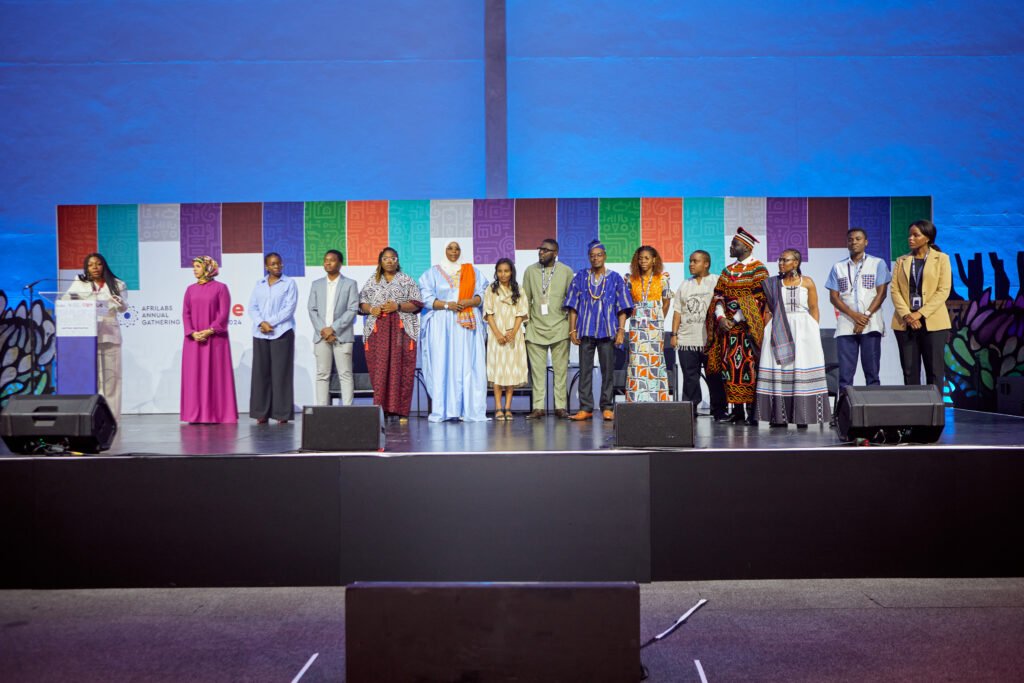
The Second Cohort of the African Union Digital and Innovation Fellowship Programme Announced at AfriLabs Annual Gathering 2024 Cape Town, South Africa – At this year’s AfriLabs Annual Gathering, held from November 6-8 at the Cape Town International Convention Centre (CTICC 2), the African Union (AU) proudly announced the second cohort of the AU Digital and Innovation Fellowship Programme. This year’s Annual Gathering was a success, uniting a diverse network of innovators, thought leaders, policymakers, and entrepreneurs from across the African continent to advance the conversation on technology-driven growth. The AU Digital and Innovation Fellowship Programme is a transformative 12-month initiative designed to position Africa’s top tech innovators as “resident fellows” within AU headquarters. These fellows play a pivotal role in analysing AU unit systems, identifying challenges in data management, and co-creating innovative solutions tailored to enhance efficiency. By fostering capacity-building among AU staff, the fellowship not only drives immediate improvements but also ensures the sustainability of these innovations well beyond the fellowship term. Launched in March 2024, the second edition of the fellowship programme attracted an impressive 3,000 applications from young African innovators. After a rigorous selection process, 19 exceptional fellows were chosen and deployed to 13 AU host units, where they will work on strengthening data processes, improving digital systems, and gaining valuable skills in leadership, entrepreneurship, and professional development. The fellows are: Felix Fomengia Atabonglefac (Cameroon) – Fellow at the Office of the Director General (ODG). Nkosingiphile Ntshangase (South Africa) – Digital and Innovation Tech Fellow at the Information Society Department (ISD). Ceasar Waweru Kabue (Kenya) – Fellow at the Office of the Director General (ODG). Ornella Ahouandogbo – Digital and Innovation Tech Fellow at the African Continental Free Trade Area (AfCFTA). Kofi Mensah Abaya (Ghana) – Fellow at the Africa CDC. Apiwe Hotele (South Africa) – Fellow at the AUDA-NEPAD Coordination Unit. David Tufe Nzadon (Nigeria) – Fellow at the MIS Division. Rabia Moussa (Niger Republic) – Fellow at the Sustainable Environment & Blue Economy (SEBE) team. Stephen Amoakoh Donkor (Ghana) – Fellow at the Information and Communication Directorate. Frida Ndi (Cameroon) – Fellow at the Women, Gender and Youth Directorate (WGYD). Thamsanqa Kunta-Kinte Ngcobo (South Africa) – Fellow at the African Union – InterAfrican Bureau for Animal Resources (AU-IBAR). Hagernesh Tadesse (Ethiopia) – Fellow at the Information and Communication Directorate (ICD). Waiswa Ronald Mironda (Uganda) – Fellow at the Office of the AU Youth Envoy (OYE). Melkam Mekonnen (Ethiopia) – Software Developer fellow at the Africa CDC. Mekitmfon Herbert AwakEssien (Nigeria) – Fellow at the Economic Development, Tourism, Trade, Industry, Mining (ETTIM) unit. Thokozile Manaka (Lesotho) – Data Scientist and fellow at the Africa CDC. Goodnews Sunday Sandy (Nigeria) – Fellow at the Information Society Department (ISD). Dereje Mulat Ferede (Ethiopia) – Fellow at the AU Innovation Lab. Christabel Onwuka (Nigeria) – Fellow at the Africa Centres for Disease Control and Prevention (Africa CDC). Nanko Madu, Director of Programmes at AfriLabs, expressed optimism for the program’s impact: “This fellowship program exemplifies the power of innovation to drive sustainable change. By placing top innovators within the African Union, we’re bridging the gap between talent and opportunity, laying the foundation for future leaders who will champion digital transformation across the continent.” The fellows shared their aspirations and excitement as they embark on this journey. Thokozile Manaka, a fellow deployed to the Africa CDC, said: “I anticipate that this fellowship will be a pivotal opportunity to collaborate with experts and develop innovative digital health solutions that not only enhance healthcare delivery but also inform evidence-based policies. By leveraging data and technology, I aim to contribute to a sustainable framework that addresses Africa’s unique health challenges and drives systemic improvements across the continent.” Mekitmfon Herbert AwakEssien, a fellow to the Economic Development, Tourism, Trade, Industry, Mining (ETTIM) unit, emphasised: “As I embark on this fellowship, I see it as a crucible for transformative change. I’m eager to learn from Africa’s brightest minds, contribute my expertise in digital development, network with visionaries across the continent, and ultimately take actions that will catalyse Africa’s digital revolution and transformation. This is my chance to turn ideas into action, and action into impact.” Another inspiring voice, Kofi Mensah Abaya, a fellow at the Africa CDC, added: “As a fellow with the Africa CDC, I am determined to collaborate on initiatives that enhance public health infrastructure and promote sustainable health outcomes across the continent. In alignment with Agenda 2063, which envisions ‘an integrated, prosperous, and peaceful Africa,’ I am of the view that digital health innovations can play a pivotal role in achieving these goals.” The African Union Digital and Innovation Fellowship Program continues to embody the vision of Agenda 2063 by developing a network of skilled innovators who contribute directly to the growth and integration of digital solutions across the AU’s core operations. AfriLabs remains committed to supporting initiatives that foster collaboration and advance Africa’s innovation landscape. About AfriLabs- AfriLabs is a Pan-African network of over 500 innovation hubs across 53 African countries designed to drive sustainable economic growth across the continent through investment, innovation, technology, and entrepreneurship. About African Union The African Union (AU) is a continental body consisting of 55 member states representing the continent of Africa. Its vision is to achieve an integrated, prosperous, and peaceful Africa, driven by its own citizens and representing a dynamic force in the global arena. For more information about the African Union Digital and Innovation Fellowship Onboarding Event contact aufellowship@afrilabs.com, Lisa@afrilabs.com, and cc Chibudu@afrilabs.com. For general information about the AU Digital and Innovation Fellowship Programme, please visit www.auinnovationfellowship.com. For media inquiries, please contact pr@afrilabs.com & comms@afrilabs.com
AfriLabs Annual Gathering 2024: Spotlight on Seven Dynamic Tracks Shaping Africa’s Innovation Landscape
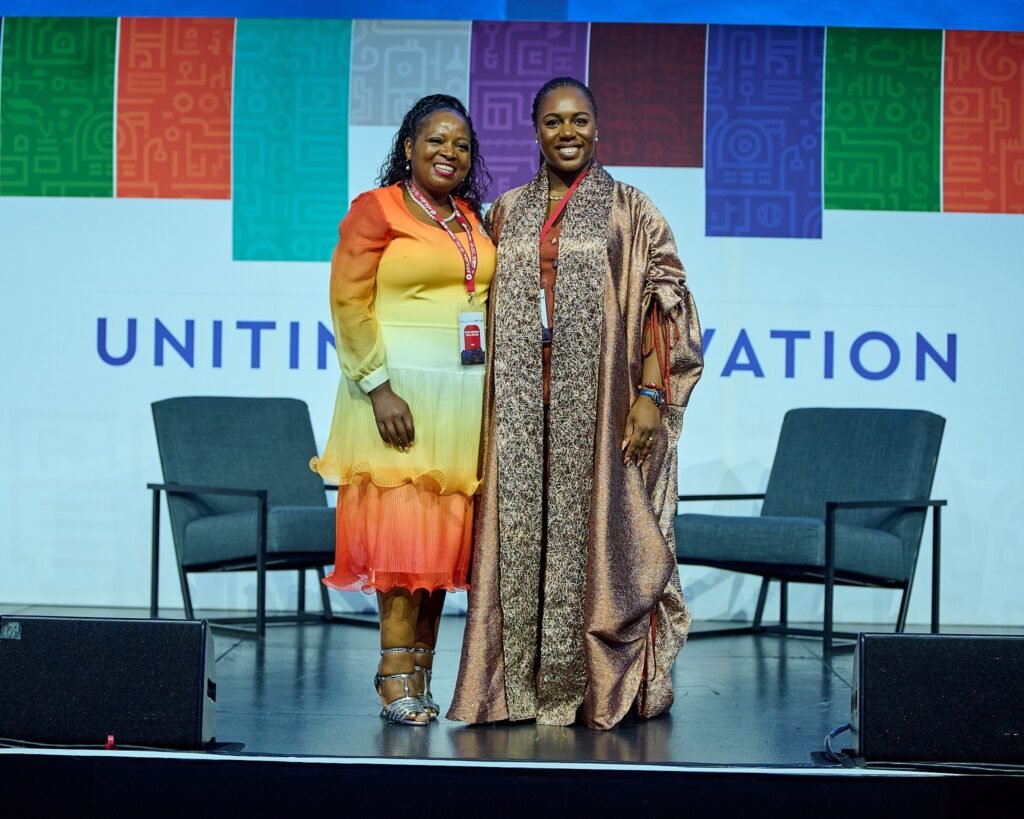
AfriLabs Annual Gathering 2024: Spotlight on Seven Dynamic Tracks Shaping Africa’s Innovation Landscape Cape Town, South Africa – The AfriLabs Annual Gathering 2024, held from November 6-8 at the Cape Town International Convention Centre 2 (CTICC 2), was a resounding success, bringing together a diverse network of innovators, thought leaders, policymakers, and entrepreneurs from across Africa. This year’s event marks the 9th iteration of the AfriLabs Annual Gathering with the theme “Uniting Innovation,” placing a strong emphasis on seven thematic tracks: Green and Blue Economy Track, Gender and Inclusion Track, Investor/Investment Track, Hub Solutions Track, Policy, Data, and AI Track, Creative Digital Economy Track and Makerspaces. Each track represents a cornerstone of Africa’s rapidly evolving innovation landscape and serves as a vibrant platform for dialogue, exchange, and strategic planning aimed at shaping a sustainable and inclusive future for Africa. In collaboration with RLabs, a leader in South Africa’s innovation ecosystem, AfriLabs spotlighted Cape Town’s vibrant entrepreneurial landscape. The city’s breathtaking scenery and rich cultural heritage created a unique setting for a Gathering that left a lasting impact on Africa’s innovation landscape. AfriLabs’ Executive Director, Anna Ekeledo, expressed the unifying ethos of the event during her opening remarks, saying, “AfriLabs proudly stands as a Pan-African community. Though we are a tapestry of rich diversity, we are united by a shared purpose: to build a lasting legacy that will shape generations to come.” Deputy Minister Raesetja Jane Sithole of South Africa’s Ministry of Small Business Development delivered an inspiring keynote address, emphasising the country’s commitment to fostering accessible opportunities. “The future of South Africa’s growth lies in empowering diverse entrepreneurs. By reducing red tape and supporting informal and micro-enterprises, we’re ensuring that opportunities are accessible to all, especially youth, women, and people with disabilities,” she stated, reflecting the event’s dedication to inclusive, sustainable growth across Africa. The Creative Digital Economy Track, provided an immersive exploration into Africa’s creative sector, discussing the fusion of technology and creativity that powers Africa’s burgeoning digital arts, gaming, and content sectors. Topics ranged from “Diaspora to Homeland: Building a Connected Future” to “Independent Filmmaking in the Digital Era” and “Gaming for Impact.” The track gathered esteemed voices like Mathew Mensah, Ambassador for Ghana Tourism and Co-founder of Act Africa, and Henry A Stokes, Senior VP of The African Channel among many others. Speakers dove into themes of African storytelling, the opportunities for Africa’s creative industries on the global stage, and the potential of digital platforms to drive the sector’s growth. The track underscored the potential of Africa’s creative economy to bridge cultural, technological, and economic divides, all while empowering the continent’s youth and creatives. Addressing the essential role of Policy, Data, and AI in Africa’s development, this track convened policymakers, tech leaders, and AI specialists to discuss ethical AI, cultural alignment in AI design, and policy frameworks that empower data-driven innovations. From “AI in Africa: Accelerating Africa’s AI Footprint” to “Digital Public Infrastructure: The Role of Policy and AI in Sectoral Transformation,” the discussions examined how a responsible AI and data strategy could support sustainable growth and innovation. Notable speakers included Dr. Rachel Sibande from the Bill & Melinda Gates Foundation, Mario Romao, Intel’s Director of AI Policy, and representatives from both the AU and the South African government, who explored the policy requirements for Africa’s AI future. The Hub Solutions Track centred on the foundational role of innovation hubs in Africa’s entrepreneurial landscape. This track presented strategies for hubs to “scale up”, sessions included a “Design Thinking Masterclass” and panel discussions on “Hub Evolution” and “Strategic Partnerships.” Experts like Alfredo Cuanda, Founder & Business Designer at Ideario and Tomi Davies, Chief Investment Officer at TVC Labs, shared insights on strategies for specialisation and global collaboration and creating hubs with a “10x” impact, positioning hubs as central to nurturing localised innovation and facilitating access to resources, training, and mentorship. Rebecca Enonchong, CEO of AppsTech, shared sentiments on empowering young startups which resonated deeply here, as she emphasised, “Our mission is to be a steady hand for entrepreneurs, guiding them from ideation to growth. By investing in them, we’re investing in the future of Africa—one startup, one idea at a time.” The Investment Track united investors and startups to discuss Africa’s investment ecosystem and the pathways to attract both local and global capital. Thought leaders such as Tomiwa Aladekomo, CEO of Big Cabal Media, Julia Price, Co-Founder/Director at Linea Capital and Spiwe Sibanda, Development Bank of Southern Africa’s Credit Risk Executive, delved into topics on “The state of Investment by Tech Cabal insights” and “Navigating Investment Risks and Returns” and “The Future of Investment: Insights into the current landscape and future trends in African & Global Investments.” The discussions emphasised the critical need to develop new financing frameworks, partnerships, and de-risking mechanisms that empower African entrepreneurs and accelerate growth across underserved communities. In the Gender and Inclusion Track, leaders and advocates gathered to highlight the impact of gender equity and inclusivity in the tech ecosystem. Through panel discussions like “Tech-Enabled Financial Inclusion” and “Inclusive Digital Ecosystems: Women and Disability Participation,” speakers explored how Africa’s tech landscape could benefit from a broader representation of voices, talents, and perspectives. Noteworthy contributors included Hema Vallabh, Founding Partner at Five35 Ventures, and Baratang Miya, Founder of Girlhype Women Who Code. This track advocated for equal opportunities and supportive environments for women and underrepresented groups, emphasising the critical importance of inclusivity in fostering resilience and diversity in Africa’s innovation ecosystem. The Green and Blue Economy Track delved into Africa’s sustainability challenges and the potential of green technologies to foster resilient ecosystems. Topics such as “Harnessing Technology for Resilient Agricultural Eco Parks” and “Collaborative Policies for Environmental Resilience” were discussed by speakers including Buffy Okeke-Ojiudu, CEO of Zebra Group, Tigele Nlebesi, Ventures Associate at ALX Ventures and Uche Ekeledo, CEO at Fosu. The track offered a vision for a sustainable Africa through enhanced environmental governance, leveraging both natural resources and advanced technologies for growth in agriculture, water resources, and sustainable trade.
AfriLabs Announces Global Powerhouses as Partners for the 2024 Annual Gathering: Driving Innovation and Collaboration Across Africa
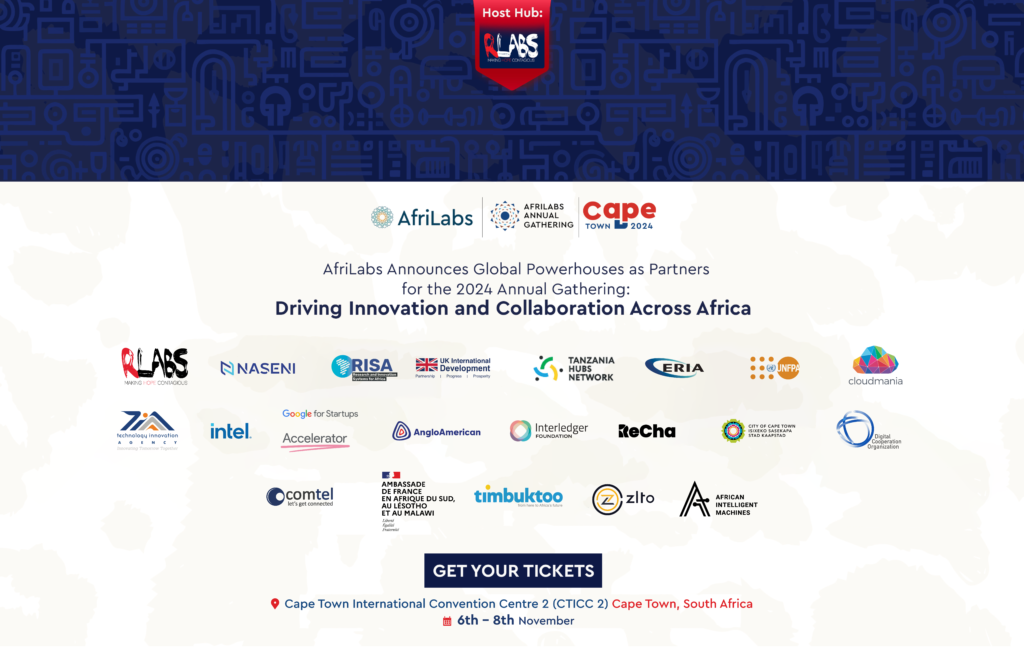
AfriLabs Announces Global Powerhouses as Partners for the 2024 Annual Gathering: Driving Innovation and Collaboration Across Africa AfriLabs is pleased to announce the partners for the 2024 AfriLabs Annual Gathering, to be held from November 6th to 8th in Cape Town, South Africa at Cape Town International Convention Centre 2 (CTICC 2). This year’s theme, “Uniting Innovation”, emphasizes the importance of collaboration to drive economic growth and social development through Africa’s innovation ecosystem. The event will feature seven key tracks, each focusing on pivotal sectors that are essential for Africa’s future: Makerspaces Green and Blue Economy Gender and Inclusion Investment Hub Solutions Policy, Data, and AI Creative Digital Economy These tracks will highlight opportunities and challenges in sectors vital to Africa’s future, showcasing how innovation can foster sustainable growth. AfriLabs is proud to collaborate with prominent global organizations, including: RLabs: Our esteemed Host Hub for this year’s AfriLabs Annual Gathering is not just a partner but a cornerstone of the event. With a remarkable history of fostering entrepreneurial spirit and technological advancement, RLabs brings a wealth of experience and expertise to the gathering. NASENI (Nigeria): The National Agency for Science and Engineering Infrastructure will showcase its efforts in driving innovation and industrialization across Nigeria. Research & Innovation Systems for Africa Fund (RISA): RISA’s efforts to strengthen the research landscape across Africa complement AfriLabs’ ongoing work to provide insightful, reliable data to innovators and entrepreneurs on the continent. Economic Research Institute for ASEAN and East Asia (ERIA): ERIA brings global expertise in economic integration, digital inclusion, and SME promotion, enhancing collaboration between East Asia and Africa. Cloudmania: Cloudmania, Liquid C2’s award-winning distribution business unit, specializes in delivering cloud and cyber security solutions with operations across the Middle East and Africa. Through its strategic partnership with Microsoft, Cloudmania equips numerous partners with cloud and cyber security services and solutions, including Microsoft 365 and Azure, all within a fully supported ecosystem. Tanzania Hub Network: Dedicated to building a vibrant, interconnected innovation ecosystem in Tanzania, this partner’s work, supported by UNDP’s FUNGUO Innovation Programme, in empowering hubs for socio-economic development resonates with AfriLabs’ pan-African mission. Technology Innovation Agency (TIA): TIA Plays an essential role in bridging the gap between research and commercialization. Their participation in this year’s event underscores the importance of ensuring that Africa’s innovative ideas translate into impactful, market-ready solutions. Digital Cooperation Organization (DCO): DCO is another prominent partner contributing to the development of Africa’s digital economy policies and fostering global strategic partnerships Intel: As a long-time partner, Intel will be hosting a roundtable on AI policy, providing a platform for African and global thought leaders to explore the future of AI in a rapidly evolving digital landscape. UNFPA: UNFPA, also a long-standing partner, will lead a panel discussion and workshop on leveraging innovation to enhance sexual and reproductive health programming for African youth. Additionally, UNFPA will host an exhibition booth to showcase SRHR Innovation solutions, offering valuable insights into advancements in sexual and reproductive health across the continent. Google: As a key partner at the AfriLabs Annual Gathering 2024, Google will be participating in activities aligned with its accelerator program, aiming to foster growth in the African startup ecosystem by equipping founders with essential resources and expertise for success both locally and globally. Additional partners include Interledger Foundation, Anglo American, ReCha, Comtel, South African Future Trust Foundation, African Intelligent Machines (AIM), ZIto, the French Embassy and the City of Cape Town (CoCT). These partners will contribute to advancing cross-border collaboration, innovation, digital inclusion and local empowerment while supporting a shared commitment to Africa’s innovation-driven future. “The support of our partners is not only a testament to the global relevance of Africa’s innovation ecosystem but also to the importance of collaborative efforts in driving sustainable development across the continent.” – Anna Ekeledo, Executive Director of AfriLabs “We are excited to partner with AfriLabs, a leading player on the African continent. We look forward to scaling up our activities in digital inclusion and green innovations to connect ecosystem builders, innovators, and start-ups across Asia and Africa.” – Dr. Giulia Ajmone Marsan, Head of Startups and Inclusion, ERIA Digital Innovation and Sustainable Economy Center With an impressive lineup of partners, the AfriLabs Annual Gathering 2024 promises to be a revolutionary event, uniting visionaries and innovators committed to shaping Africa’s future. Register today at AfriLabs Annual Gathering and secure your tickets here. About AfriLabs AfriLabs is the largest network of technology and innovation hubs across Africa, driving the growth of Africa’s innovation ecosystem. With a mission to support the development of the African technology and innovation ecosystem, AfriLabs connects hubs and other stakeholders to facilitate collaboration, resource sharing, and knowledge transfer. Follow AfriLabs on social media at @afrilabs and visit our website, www.afrilabsgathering.com and www.afrilabs.com for updates on the event, tracks, and registration. For media inquiries, please contact pr@afrilabs.com& comms@afrilabs.com
Small and Medium-Sized enterprises (SMEs) as Key drivers of Climate Adaptation and Innovation in Africa
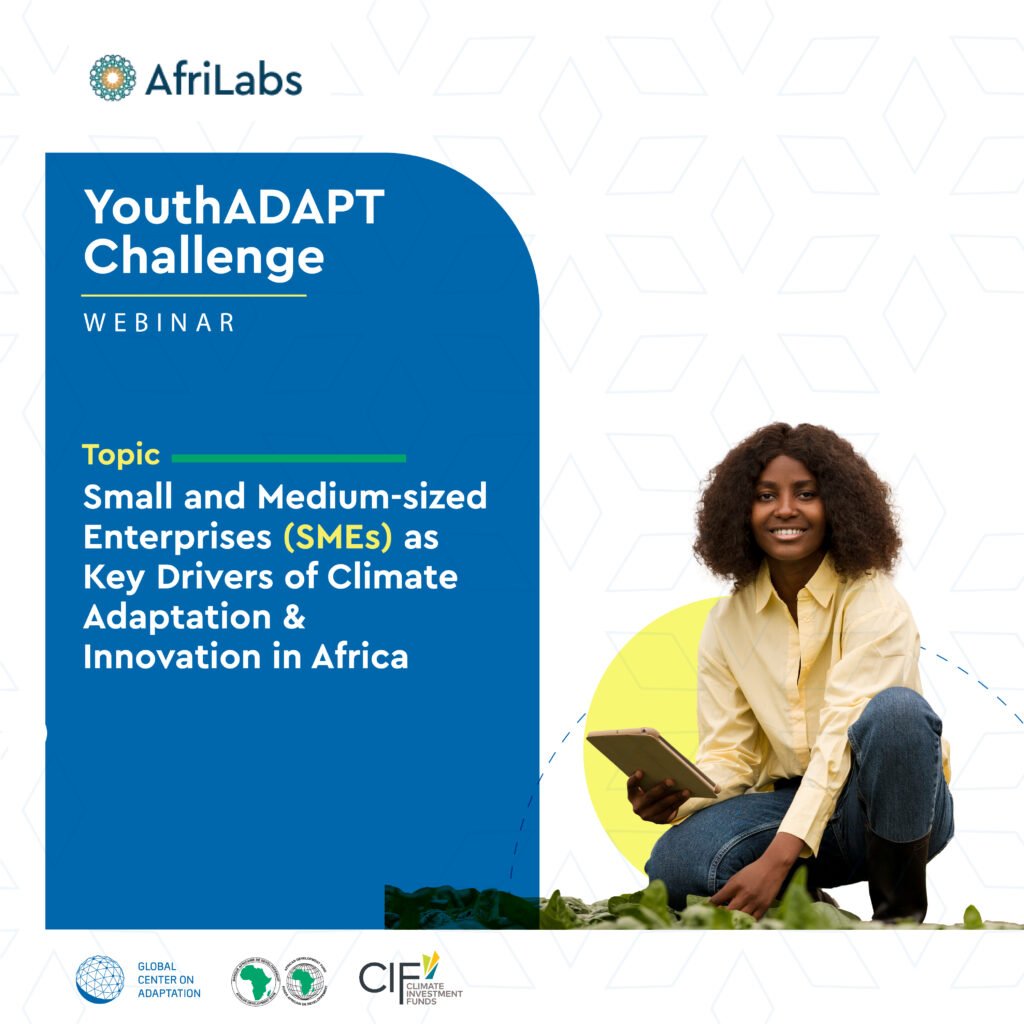
Small and Medium-Sized enterprises (SMEs) as Key drivers of Climate Adaptation and Innovation in Africa On June 27th, 2024, YouthADAPT hosted a transformative webinar, spotlighting Small and Medium-sized Enterprises (SMEs) as pivotal drivers of climate adaptation and innovation across Africa. This event, supported by esteemed partners including the Global Center on Adaptation (GCA), Climate Investment Funds (CIF), Africa Development Bank (AfDB), and African Technology Innovation Hubs Initiative (AfriLabs) underscored the critical role of SMEs in shaping sustainable development amidst escalating climate challenges. Coinciding with World SME Day, the webinar emphasized the significant contributions of SMEs to economic growth and how they contribute to building climate resilient communities and celebrating their essential role in adapting to climate impacts. The session commenced with a welcome address from the moderator – Venan Sondo, Chief Stewardship Officer at Chaint Afrique, emphasizing the urgent need to bolster support for SMEs in combating climate change. Serah Nderitu, Senior Program Officer at the Global Center of Adaptation (GCA) highlighted that SMEs constitute 90% of businesses on the continent, generating 80% of employment and contributing 60% to Africa’s GDP. The resilience and agility of SMEs uniquely position them to swiftly address climate impacts in underserved communities. Emmanuel Kouadio, Climate Resilience Programs Lead at Climate Investment Funds (CIF), highlighted the important role SMEs play in influencing change and accelerating Africa’s progress towards reaching the goal of net zero emissions and encouraging sustainability. He also reiterated the deep connections SMEs have with their local communities and the impact they have on accelerating growth and development. Through initiatives like the YouthADAPT Challenge Program – a key component of the Youth Empowerment for Entrepreneurship and Job Creation in Climate Adaptation and Resilience Pillar under the African Acceleration Adaptation Programme (AAAP). So far, YouthADAPT has supported over 41 entrepreneurs across 21 African countries with grants to the tune of $5.4 million since 2021. The keynote speaker, Dr. Youssef Brouziyne of the International Water Management Institute outlined key strategies for supporting SMEs, including enhancing access to finance and fostering innovation through incubation programs. Challenges like knowledge gaps and complex institutional setups were acknowledged, suggesting a need for tailored support frameworks to nurture sustainable entrepreneurial growth. Insightful panel discussions were facilitated by experts in the African innovation and entrepreneurship space. Panelists included Chidera Ejiofor, Kris Senanu and Irene Boghdadi; as well as previous winners of the YouthADAPT challenge – Rita Idehai founder of Ecobarter, Nigeria and Kaveto Tjatjara founder of Flushh, Namibia. The panelists highlighted the pivotal role of digital transformation in enhancing SME efficiency and market competitiveness. Several discussants emphasized the importance of digital solutions “from fintech applications to operational software” to optimize internal processes and expand market reach. The consensus pointed towards capacity-building programs and governmental support for Research & Development (R&D) centers as critical enablers for digital adoption by SMEs. Furthermore, alternative finance models such as African venture funds and crowd-sourcing were proposed, while the importance of capacity-building and government-supported R&D centers were equally highlighted. These initiatives aim to diversify funding streams and enhance SME resilience against financial uncertainties. Another key point was the need for larger, established corporations to support SMEs by including them in their supply chains. Toyin Omasan Oyeniyi, Programmes Manager at AfriLabs, concluded the webinar by highlighting the importance of sustained collaboration and innovation in supporting SMEs. She highlighted the role of AfriLabs in nurturing a conducive ecosystem for SMEs to thrive, reinforcing the organization’s commitment to empowering youth-led initiatives for a more sustainable Africa. The Youth Adaption Solutions Challenge webinar on “Small and Medium-Sized enterprises (SMEs) as Key drivers of Climate Adaptation and Innovation” in Africa not only shed light on the pivotal role of SMEs in climate adaptation and some of the challenges hindering growth such as limited access to finance and policy barriers, but also galvanized stakeholders towards actionable solutions. Investment in adaptation SMEs was emphasized as crucial due to their direct impact on vulnerable communities and rapid market growth potential. With steadfast support from the Global Center on Adaptation (GCA), African Development Bank (AfDB), Climate Investment Funds (CIF) and AfriLabs, SMEs are poised to lead Africa’s transformation towards a greener, more resilient future. As challenges persist, the collective resolve to empower SMEs through financial support, digital innovation, and strategic partnerships remains steadfast – a testament to the continent’s entrepreneurial spirit and commitment to sustainability.
Uniting Innovation: The Future of Africa’s Tech Landscape
Uniting Innovation: The Future of Africa’s Tech Landscape As Africa’s tech ecosystem continues to evolve, the need for unity and collaboration has never been more pressing. The AfriLabs Annual Gathering 2024, which will take place from November 5th to 8th, 2024, under the theme “Uniting Innovation,” promises to bring together innovators, policymakers, and industry experts to shape the future of Africa’s tech landscape. According to a joint report by Google and the International Finance Corporation titled “e-Conomy Africa 2020”, the internet economy in Africa is projected to reach $180 billion by 2025, accounting for 5.2% of the continent’s GDP. This growth is driven by increased internet access, urbanization trends, and a vibrant startup ecosystem (IFC). At this year’s AfriLabs Annual Gathering (AAG), AI emerges as a pivotal theme. AI has the potential to dramatically enhance these projections. McKinsey & Company estimates that AI could boost Africa’s GDP by up to $1.2 trillion by 2030. Already, AI applications in healthcare, finance, and other sectors are demonstrating significant impacts, from improving diagnostic accuracy to enhancing financial inclusion. Discussions at AAG 2024 will focus on strategies to harness AI’s transformative power, aiming to accelerate economic growth and foster sustainable development across the continent (McKinsey & Company). Another critical track is sustainability, a theme that resonates deeply in Africa, where the impact of climate change is already being felt. Innovators and policymakers will come together to discuss how technology can be used to drive sustainable development and build resilient economies. For instance, renewable energy sources like solar and wind power have the potential to reduce carbon emissions by up to 70% in Africa, according to the United Nations. The future of work is another area of focus, as Africa grapples with the challenges of unemployment and skills development. The conversation at AfriLabs will center around how innovation and technology can create new opportunities for employment and entrepreneurship. The African Development Bank estimates that digital technology could create up to 230 million jobs in Africa by 2030, with a significant portion of the workforce engaged in the gig economy (Global Institute). Healthtech, fintech, and edtech are also on the agenda, as Africa’s innovators showcase solutions that are revolutionizing healthcare, finance, and education. For example, mobile health (mHealth) solutions have improved healthcare outcomes in Africa, with a study by the World Health Organization showing that mHealth interventions have increased vaccination rates by up to 20% in some countries. Beyond technology, the AfriLabs Annual Gathering emphasizes unity and collaboration. It seeks to unite diverse perspectives to drive innovation and sustainable development in Africa’s evolving tech ecosystem. Join us at the AfriLabs Annual Gathering 2024 and be part of the conversation that will shape the future of Africa’s tech landscape.