
AfriLabs Annual Gathering 2024: Spotlight on Seven Dynamic Tracks Shaping Africa’s Innovation Landscape
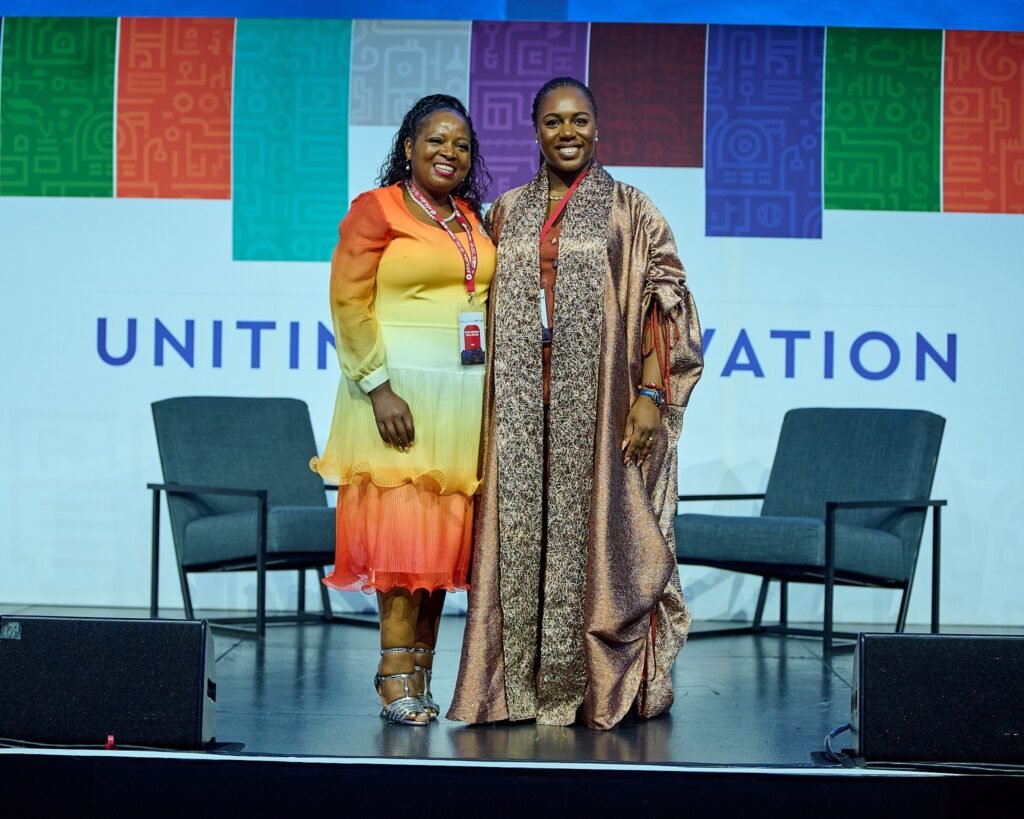
AfriLabs Annual Gathering 2024: Spotlight on Seven Dynamic Tracks Shaping Africa’s Innovation Landscape Cape Town, South Africa – The AfriLabs Annual Gathering 2024, held from November 6-8 at the Cape Town International Convention Centre 2 (CTICC 2), was a resounding success, bringing together a diverse network of innovators, thought leaders, policymakers, and entrepreneurs from across Africa. This year’s event marks the 9th iteration of the AfriLabs Annual Gathering with the theme “Uniting Innovation,” placing a strong emphasis on seven thematic tracks: Green and Blue Economy Track, Gender and Inclusion Track, Investor/Investment Track, Hub Solutions Track, Policy, Data, and AI Track, Creative Digital Economy Track and Makerspaces. Each track represents a cornerstone of Africa’s rapidly evolving innovation landscape and serves as a vibrant platform for dialogue, exchange, and strategic planning aimed at shaping a sustainable and inclusive future for Africa. In collaboration with RLabs, a leader in South Africa’s innovation ecosystem, AfriLabs spotlighted Cape Town’s vibrant entrepreneurial landscape. The city’s breathtaking scenery and rich cultural heritage created a unique setting for a Gathering that left a lasting impact on Africa’s innovation landscape. AfriLabs’ Executive Director, Anna Ekeledo, expressed the unifying ethos of the event during her opening remarks, saying, “AfriLabs proudly stands as a Pan-African community. Though we are a tapestry of rich diversity, we are united by a shared purpose: to build a lasting legacy that will shape generations to come.” Deputy Minister Raesetja Jane Sithole of South Africa’s Ministry of Small Business Development delivered an inspiring keynote address, emphasising the country’s commitment to fostering accessible opportunities. “The future of South Africa’s growth lies in empowering diverse entrepreneurs. By reducing red tape and supporting informal and micro-enterprises, we’re ensuring that opportunities are accessible to all, especially youth, women, and people with disabilities,” she stated, reflecting the event’s dedication to inclusive, sustainable growth across Africa. The Creative Digital Economy Track, provided an immersive exploration into Africa’s creative sector, discussing the fusion of technology and creativity that powers Africa’s burgeoning digital arts, gaming, and content sectors. Topics ranged from “Diaspora to Homeland: Building a Connected Future” to “Independent Filmmaking in the Digital Era” and “Gaming for Impact.” The track gathered esteemed voices like Mathew Mensah, Ambassador for Ghana Tourism and Co-founder of Act Africa, and Henry A Stokes, Senior VP of The African Channel among many others. Speakers dove into themes of African storytelling, the opportunities for Africa’s creative industries on the global stage, and the potential of digital platforms to drive the sector’s growth. The track underscored the potential of Africa’s creative economy to bridge cultural, technological, and economic divides, all while empowering the continent’s youth and creatives. Addressing the essential role of Policy, Data, and AI in Africa’s development, this track convened policymakers, tech leaders, and AI specialists to discuss ethical AI, cultural alignment in AI design, and policy frameworks that empower data-driven innovations. From “AI in Africa: Accelerating Africa’s AI Footprint” to “Digital Public Infrastructure: The Role of Policy and AI in Sectoral Transformation,” the discussions examined how a responsible AI and data strategy could support sustainable growth and innovation. Notable speakers included Dr. Rachel Sibande from the Bill & Melinda Gates Foundation, Mario Romao, Intel’s Director of AI Policy, and representatives from both the AU and the South African government, who explored the policy requirements for Africa’s AI future. The Hub Solutions Track centred on the foundational role of innovation hubs in Africa’s entrepreneurial landscape. This track presented strategies for hubs to “scale up”, sessions included a “Design Thinking Masterclass” and panel discussions on “Hub Evolution” and “Strategic Partnerships.” Experts like Alfredo Cuanda, Founder & Business Designer at Ideario and Tomi Davies, Chief Investment Officer at TVC Labs, shared insights on strategies for specialisation and global collaboration and creating hubs with a “10x” impact, positioning hubs as central to nurturing localised innovation and facilitating access to resources, training, and mentorship. Rebecca Enonchong, CEO of AppsTech, shared sentiments on empowering young startups which resonated deeply here, as she emphasised, “Our mission is to be a steady hand for entrepreneurs, guiding them from ideation to growth. By investing in them, we’re investing in the future of Africa—one startup, one idea at a time.” The Investment Track united investors and startups to discuss Africa’s investment ecosystem and the pathways to attract both local and global capital. Thought leaders such as Tomiwa Aladekomo, CEO of Big Cabal Media, Julia Price, Co-Founder/Director at Linea Capital and Spiwe Sibanda, Development Bank of Southern Africa’s Credit Risk Executive, delved into topics on “The state of Investment by Tech Cabal insights” and “Navigating Investment Risks and Returns” and “The Future of Investment: Insights into the current landscape and future trends in African & Global Investments.” The discussions emphasised the critical need to develop new financing frameworks, partnerships, and de-risking mechanisms that empower African entrepreneurs and accelerate growth across underserved communities. In the Gender and Inclusion Track, leaders and advocates gathered to highlight the impact of gender equity and inclusivity in the tech ecosystem. Through panel discussions like “Tech-Enabled Financial Inclusion” and “Inclusive Digital Ecosystems: Women and Disability Participation,” speakers explored how Africa’s tech landscape could benefit from a broader representation of voices, talents, and perspectives. Noteworthy contributors included Hema Vallabh, Founding Partner at Five35 Ventures, and Baratang Miya, Founder of Girlhype Women Who Code. This track advocated for equal opportunities and supportive environments for women and underrepresented groups, emphasising the critical importance of inclusivity in fostering resilience and diversity in Africa’s innovation ecosystem. The Green and Blue Economy Track delved into Africa’s sustainability challenges and the potential of green technologies to foster resilient ecosystems. Topics such as “Harnessing Technology for Resilient Agricultural Eco Parks” and “Collaborative Policies for Environmental Resilience” were discussed by speakers including Buffy Okeke-Ojiudu, CEO of Zebra Group, Tigele Nlebesi, Ventures Associate at ALX Ventures and Uche Ekeledo, CEO at Fosu. The track offered a vision for a sustainable Africa through enhanced environmental governance, leveraging both natural resources and advanced technologies for growth in agriculture, water resources, and sustainable trade.
Uniting Innovation: The Future of Africa’s Tech Landscape
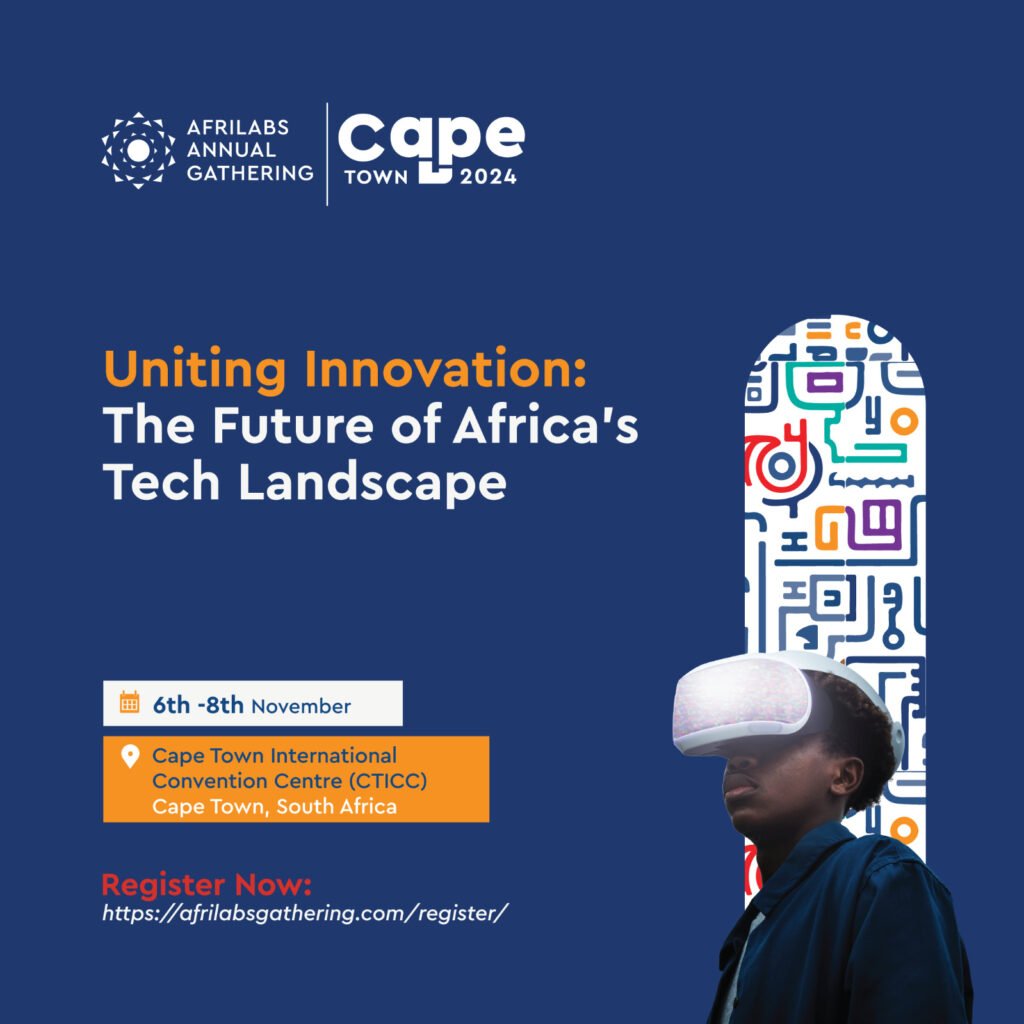
Uniting Innovation: The Future of Africa’s Tech Landscape As Africa’s tech ecosystem continues to evolve, the need for unity and collaboration has never been more pressing. The AfriLabs Annual Gathering 2024, which will take place from November 5th to 8th, 2024, under the theme “Uniting Innovation,” promises to bring together innovators, policymakers, and industry experts to shape the future of Africa’s tech landscape. According to a joint report by Google and the International Finance Corporation titled “e-Conomy Africa 2020”, the internet economy in Africa is projected to reach $180 billion by 2025, accounting for 5.2% of the continent’s GDP. This growth is driven by increased internet access, urbanization trends, and a vibrant startup ecosystem (IFC). At this year’s AfriLabs Annual Gathering (AAG), AI emerges as a pivotal theme. AI has the potential to dramatically enhance these projections. McKinsey & Company estimates that AI could boost Africa’s GDP by up to $1.2 trillion by 2030. Already, AI applications in healthcare, finance, and other sectors are demonstrating significant impacts, from improving diagnostic accuracy to enhancing financial inclusion. Discussions at AAG 2024 will focus on strategies to harness AI’s transformative power, aiming to accelerate economic growth and foster sustainable development across the continent (McKinsey & Company). Another critical track is sustainability, a theme that resonates deeply in Africa, where the impact of climate change is already being felt. Innovators and policymakers will come together to discuss how technology can be used to drive sustainable development and build resilient economies. For instance, renewable energy sources like solar and wind power have the potential to reduce carbon emissions by up to 70% in Africa, according to the United Nations. The future of work is another area of focus, as Africa grapples with the challenges of unemployment and skills development. The conversation at AfriLabs will center around how innovation and technology can create new opportunities for employment and entrepreneurship. The African Development Bank estimates that digital technology could create up to 230 million jobs in Africa by 2030, with a significant portion of the workforce engaged in the gig economy (Global Institute). Healthtech, fintech, and edtech are also on the agenda, as Africa’s innovators showcase solutions that are revolutionizing healthcare, finance, and education. For example, mobile health (mHealth) solutions have improved healthcare outcomes in Africa, with a study by the World Health Organization showing that mHealth interventions have increased vaccination rates by up to 20% in some countries. Beyond technology, the AfriLabs Annual Gathering emphasizes unity and collaboration. It seeks to unite diverse perspectives to drive innovation and sustainable development in Africa’s evolving tech ecosystem. Join us at the AfriLabs Annual Gathering 2024 and be part of the conversation that will shape the future of Africa’s tech landscape.